O.D.E.S.S.I. Joins New Conversation in Southeast Asia

I feel honoured to have given a keynote in July at the International Science, Technology and Society Conference: STS for Social Good and to have had the opportunity to introduce O.D.E.S.S.I. to new audiences in Southeast Asia.
What made the experience particularly rewarding was that this was not simply about explaining O.D.E.S.S.I., it was about seeing the framework enter new conversations, encounter different intellectual traditions and practices, and generate new questions.
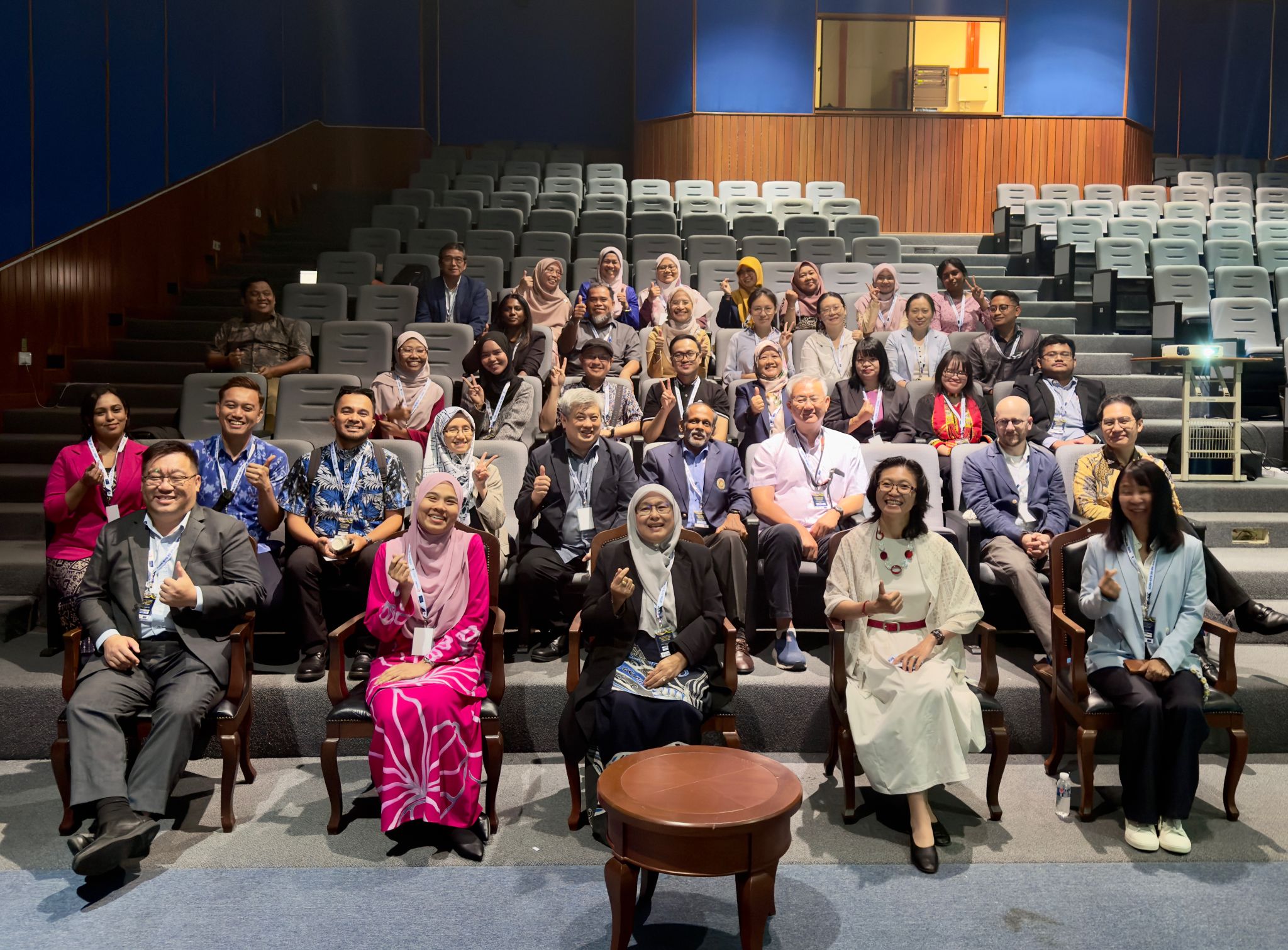
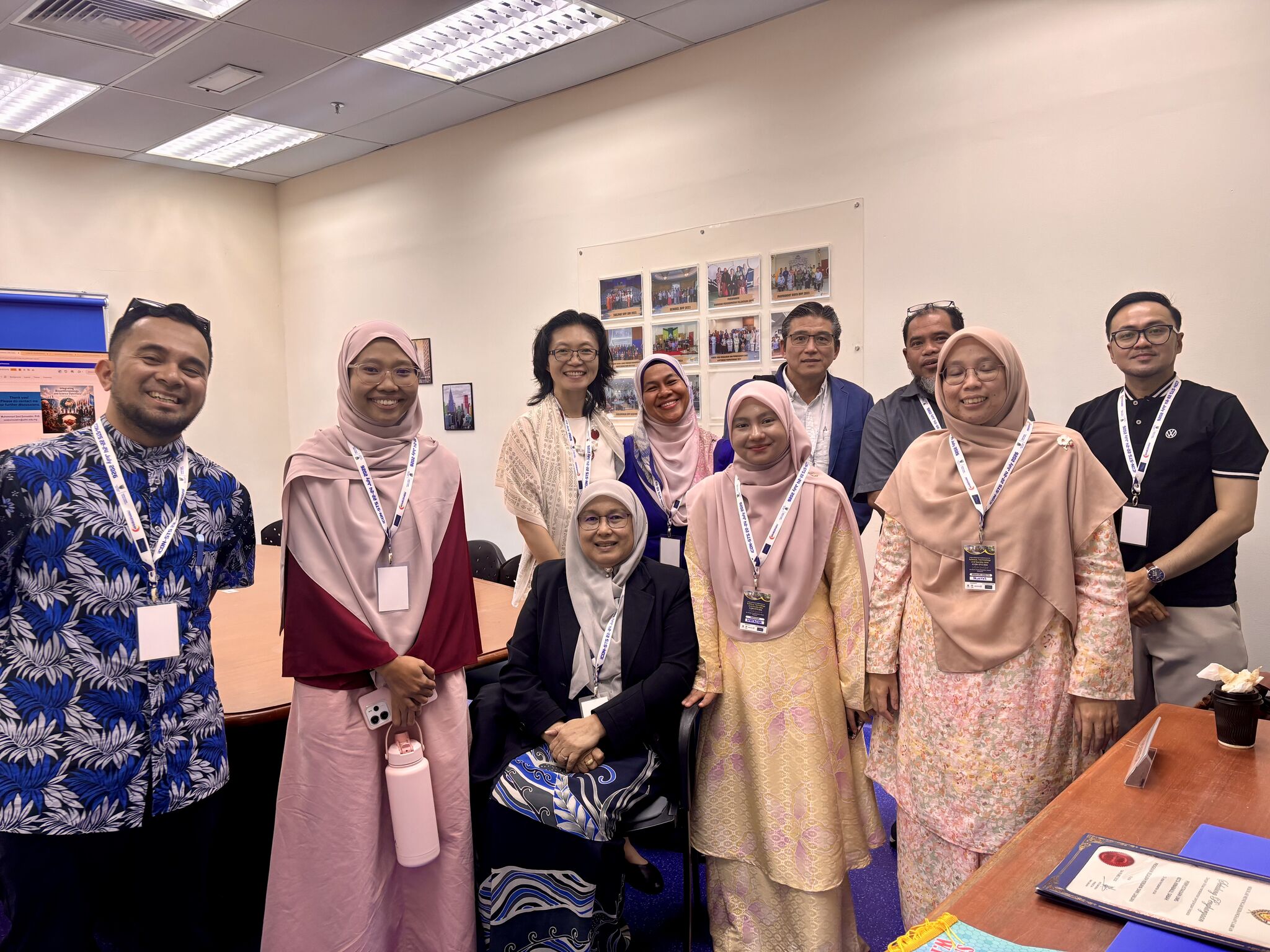
A huge thank you to Kenneth Fung and colleagues in the STS communities at Universiti Malaya and Universiti Malaysia Sabah for dedicating three plenary sessions to O.D.E.S.S.I. and for creating such a generous space for discussion.
I learnt a great deal from the parallel sessions on science communication across health, embryo research and environmental issues, as well as discussions of bioethics from a maqāṣid perspective. It was fascinating to hear how ideas such as consensus-building and science diplomacy are understood and practised in this part of the world.
One particularly thought-provoking question has stayed with me: what role could museums play in O.D.E.S.S.I. and in curating dialogue across the Global South? It opens up interesting possibilities for thinking about public engagement not simply as consultation, but as something embedded in institutions, histories, cultures and relationships.
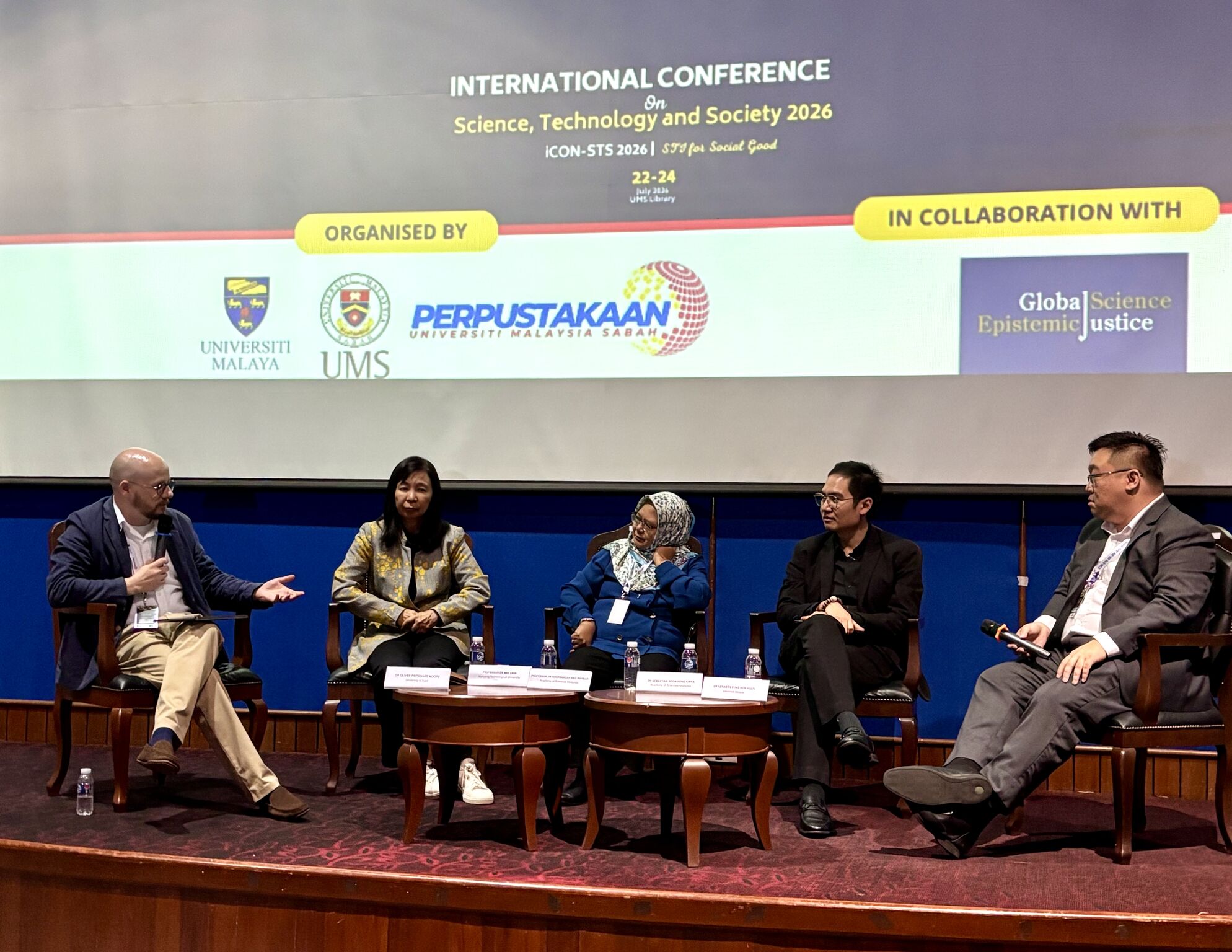
My sincere thanks to May Lwin, Soon Hong Kwan, Prof. Dr. Noorsaadah, Kenneth Fung and Oliver Pritchard Moore for their stimulating panel discussions and for bringing different perspectives to the O.D.E.S.S.I. conversation.
It was also a privilege to give the keynote alongside Wen-Hua Kuo, Phil Macnaghten and Prof. Emeritus Dr. Azizan Baharuddin. Together, our contributions reflected on the future of STS, the scientific commons, and the consequences of hubris and complacency in how we approach science and technology.