Project Progress on Futuring Biological Commons
I was genuinely delighted to see the ARIA-funded Futuring Biological Commons project that I lead featured in a recent Nature spotlight article, Engineering Resilient Food Systems in a Warming World. The article explores how synthetic biology is increasingly being positioned as part of the response to climate pressures on global food systems
One of the ideas highlighted in the article is what we describe as ‘differentiated, coordinated social uptake’: the recognition that there is no single pathway for public engagement or acceptance when it comes to emerging technologies. Different communities, places, histories, and lived experiences matter. I was especially encouraged to see our engagement work along England’s east coast recognised, particularly the ‘pendulum futuring’ focus groups, where participants were remarkably thoughtful, curious, and open to discussing synthetic biology. It was a powerful reminder of why listening matters so much, not only in science governance, but also in using science as a way of bringing different communities closer together.
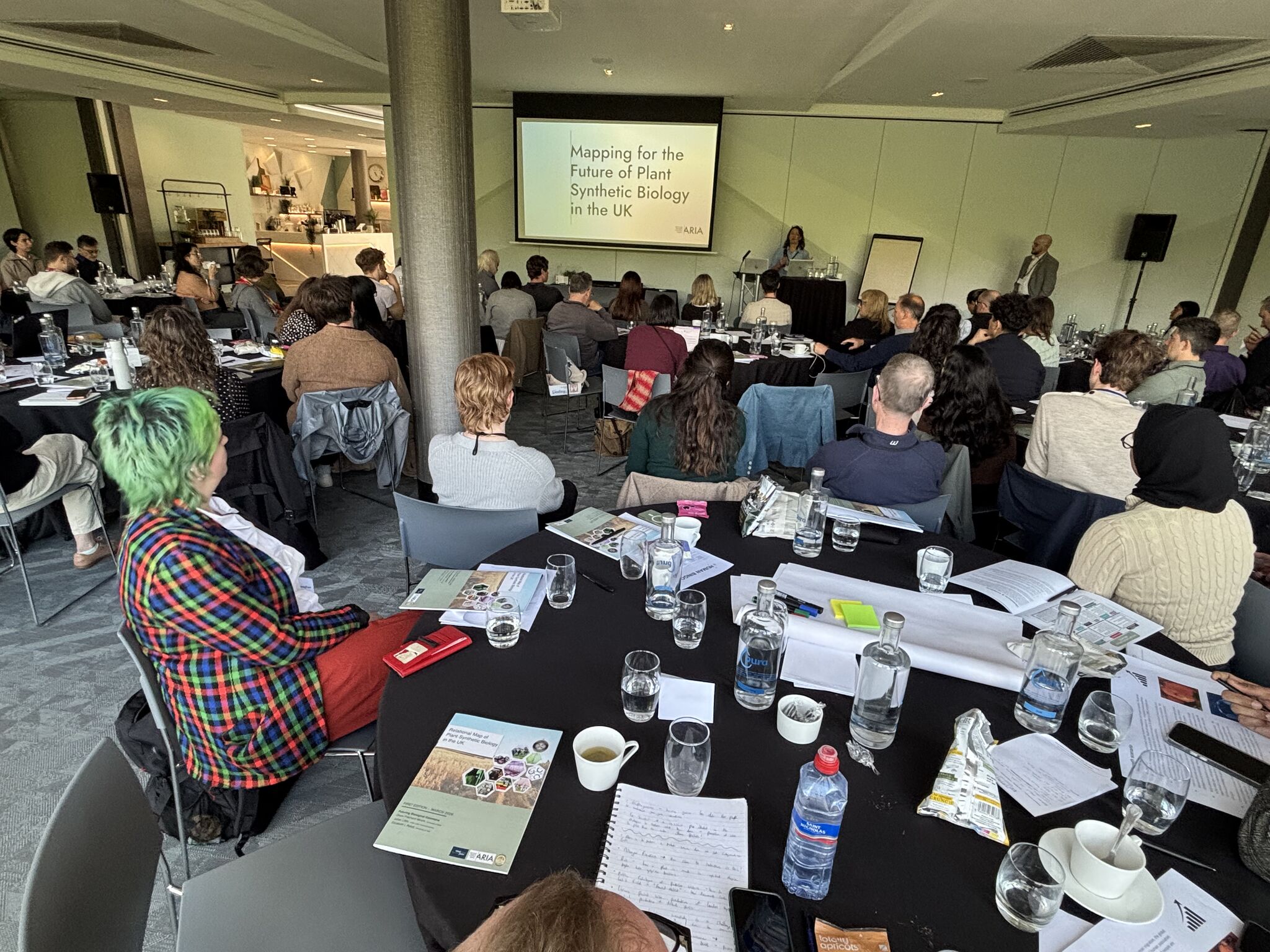
It was also great to the first edition of the Relational Map for the UK’s Plant Synthetic Biology now out — a collaboration between three amazing colleagues: Oliver Pritchard Moore, Liz Rylott, and Julian Little. As I wrote in the Preface, we began not with the question ‘what is a relational map?‘ but ‘why a relational map?‘ For me, the making of the Relational Map is itself a methodological and epistemological exploration. The process of developing the map is also a process of building relationships — across disciplines, sectors, institutions, and communities. That relational work matters just as much as the final output. Earlier this week, Liz and Oliver introduced the Relational Map at the ARIA Creators meeting. So proud of what this team has built together.