
Keynoting at CERN: Synthetic Genomics and Shared Futures

When I was little, I had many wild dreams. But I can honestly say I never imagined that one day I’d be giving a keynote at CERN. Sheldon Cooper must be very jealous.
Yet there I was at the 2025 Geneva Science and Diplomacy Anticipation Summit, dedicated to exploring ‘The Age of Possibility: Science, Sovereignty, and Shared Futures’, delivering a keynote on a topic that sits at the heart of my work: societal empowerment and science diplomacy in the age of synthetic genomics.
In my talk, I shared the rationale and future plan of our ongoing social research, including the Wellcome Trust-funded Care-full Synthesis Project and the ARIA-supported Futuring Biological Commons initiative. 🌍🧬 These projects explore how we can build responsible, anticipatory, and globally just systems around next-generation bioengineering — not only advancing the science, but expanding the circle of who gets to shape and benefit from it.
A big thank you to Sumit Paul-Choudhury for chairing, and to everyone who joined in person and online. I suspect I may even have recruited a few new travellers for the O.D.E.SS.I. journey. 😉
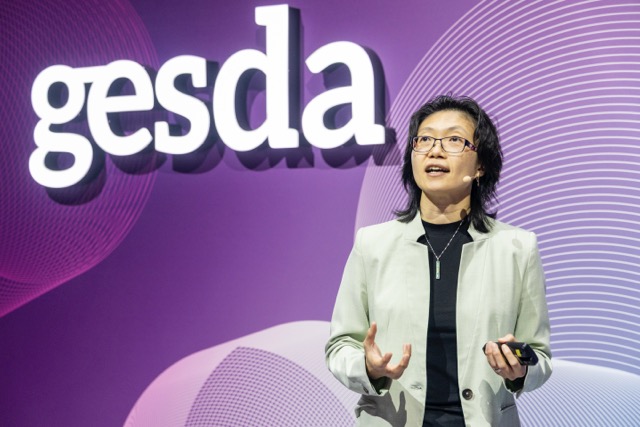
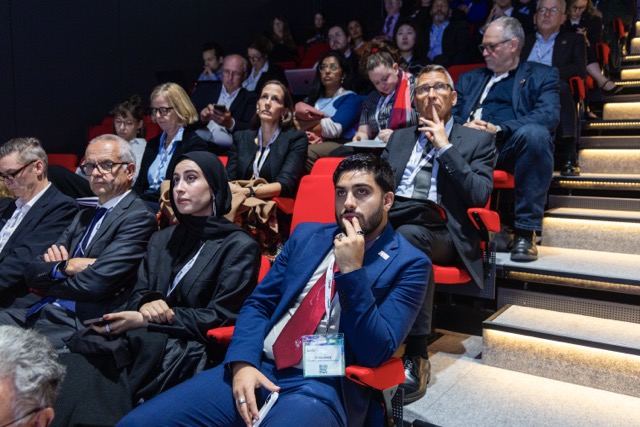

(Copyright: GESDA / Benedikt von Loebell)
Of course, the only thing that could make such an experience even better is sharing it with people whose work I have long admired. It was an absolute treat to take part in both the Planetary Humanity and Eco-Augmentation workshops, organised by Manuel Gustavo Isaac, Martin Müller, Sophie Gilbert, Dr. Mira Wolf-Bauwens, Gerard Escher and colleagues.
Having first joined the Planetary Humanity discussions in Villars back in March, it was truly lovely to reconnect with Sarah Pink, Wiebke Denecke, Herman Cappelen, Rosi Braidotti, Tobias (Toby) Reece, and Erika Kraemer-Mbula.
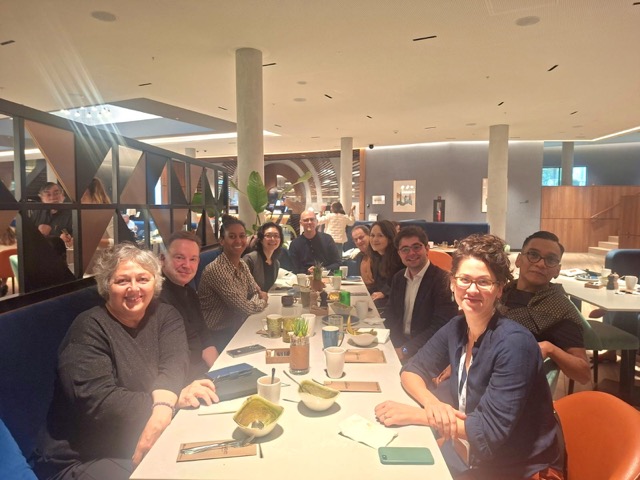
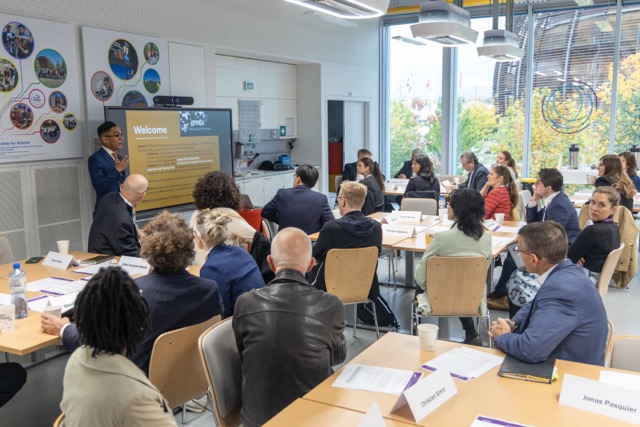
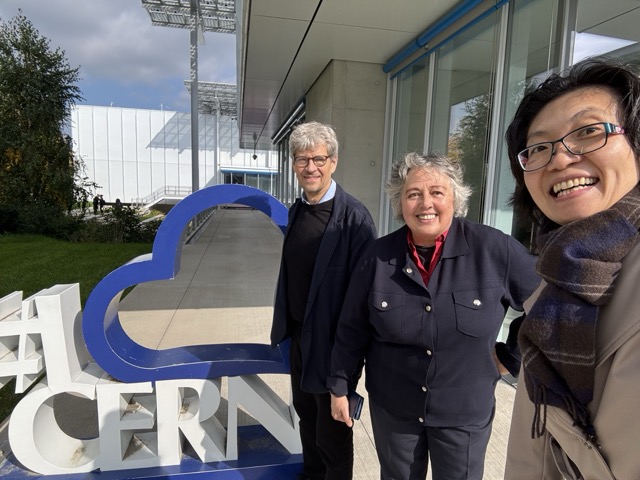
I also had the mischievous pleasure of being assigned the role of provocateur in the Eco-Augmentation session — warming up the group on how we might operationalise trust in ecosystem research. The discussion that followed was exactly the kind of exchange global science needs: interdisciplinary, constructive, and willing to think outside the box.
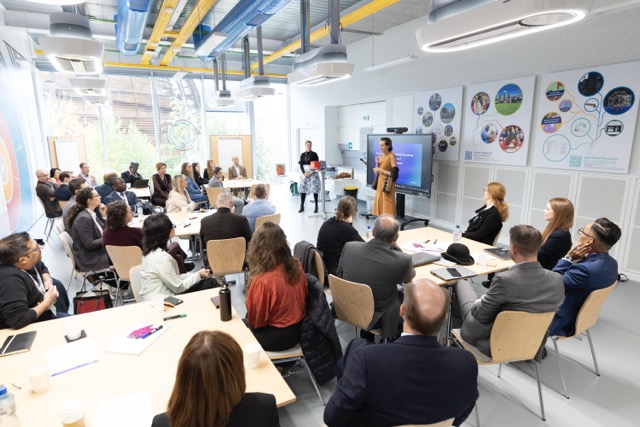
I came away energised — by the ideas, by the people, and by GESDA’s commitment to ‘use the future to shape the present.’
Onwards — as the odyssey continues.
 Joy Zhang