
Modernities, Global Governance, and the Commons
The question of how multiple modernities can be translated into coordinated forms of global governance remains one of the most pressing challenges of our time. For decades, sociologists have emphasised the ‘variety of modernities’—the recognition that different societies chart their own paths of development, shaped by histories, values, and social institutions. Yet, as science and technology increasingly cut across borders, the task of reconciling these diverse modernities with shared governance frameworks becomes ever more urgent.
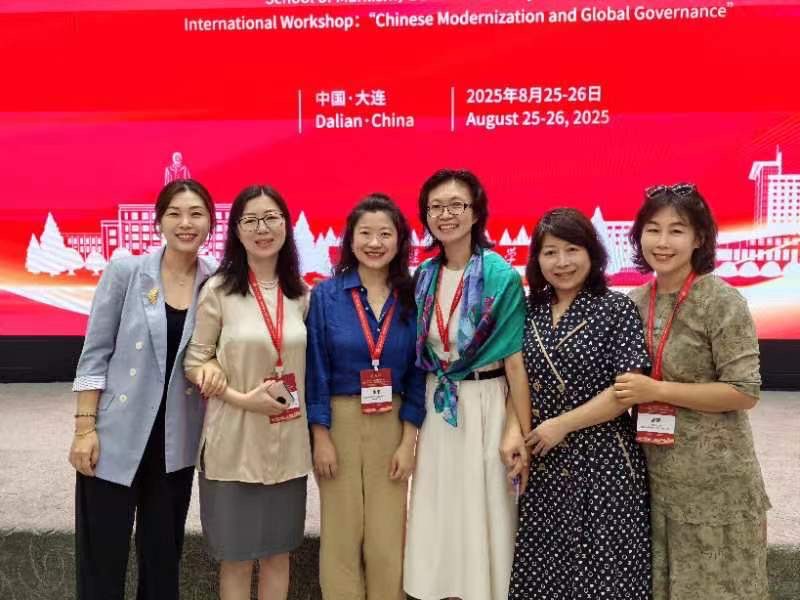
At the end of August, the Centre for Global Science and Epistemic Justice (GSEJ) partnered with Dalian University of Technology to co-host a two-day international conference on China’s Modernity and Its Role in the World. The event brought together delegates from India, Italy, Japan, Malaysia, the U.S., and the UK.
One highlight of the dialogue was the recognition given to the BioGovernance Commons. This UK–US–China initiative, which I co-founded in 2021 with Kathleen Vogel, Sonia Ben Ouagrham-Gormley, and Ruipeng Lei, has been sustained through multiple international discussions since its inception during the COVID-19 pandemic. Its continued resonance demonstrates the importance of building transnational platforms where governance of the life sciences can be reimagined collectively, beyond the silos of nations or disciplines.
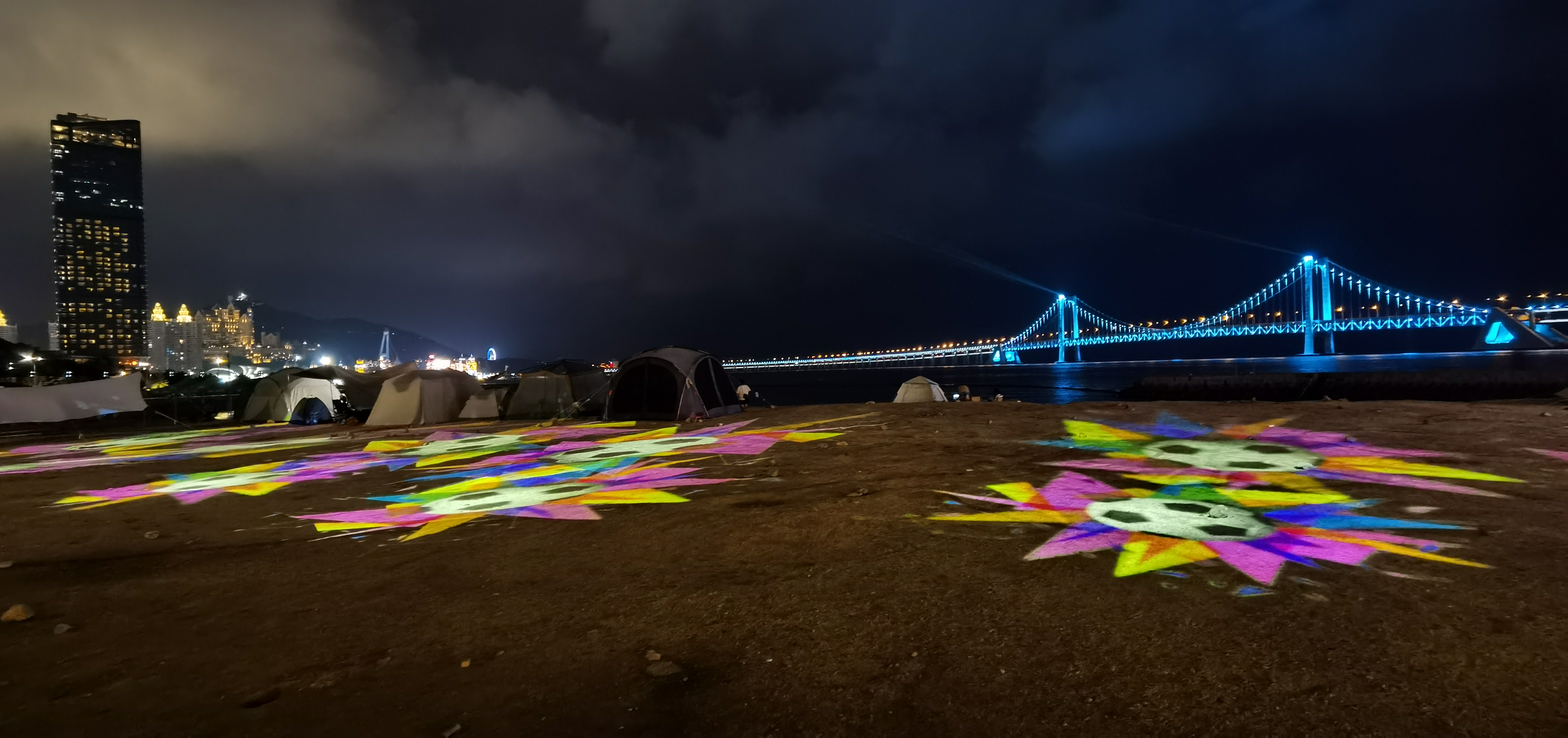
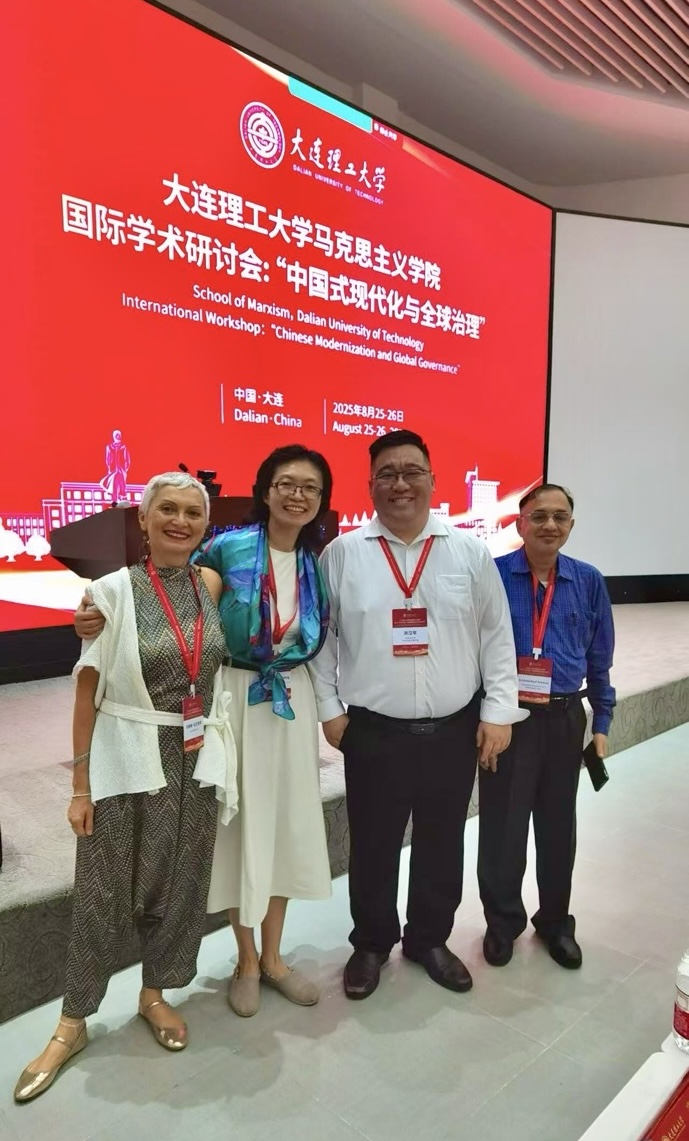

These dialogues in Dalian were part of a wider journey across China. I then travelled to Beijing. I first delivered a lecture at the China Association for Science and Technology (CAST) on Science Communication in the Era of Science at Large. I was very happy to see how enthusiastic and supportive colleagues were of the O.D.E.SS.I. initiative.
The trip also included time with colleagues at the Ministry of Science and Technology’s research arm, where we explored science diplomacy and capacity-building—an area of growing importance as countries seek not only to advance but also to share scientific knowledge responsibly.
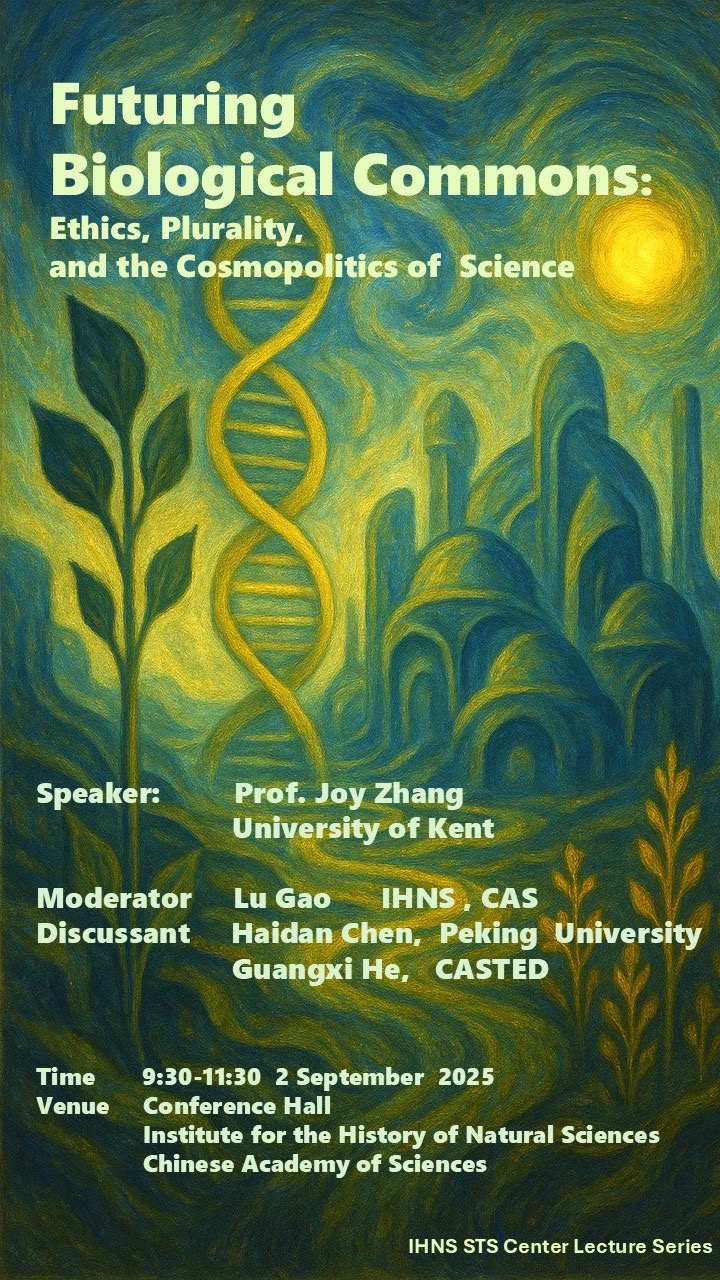
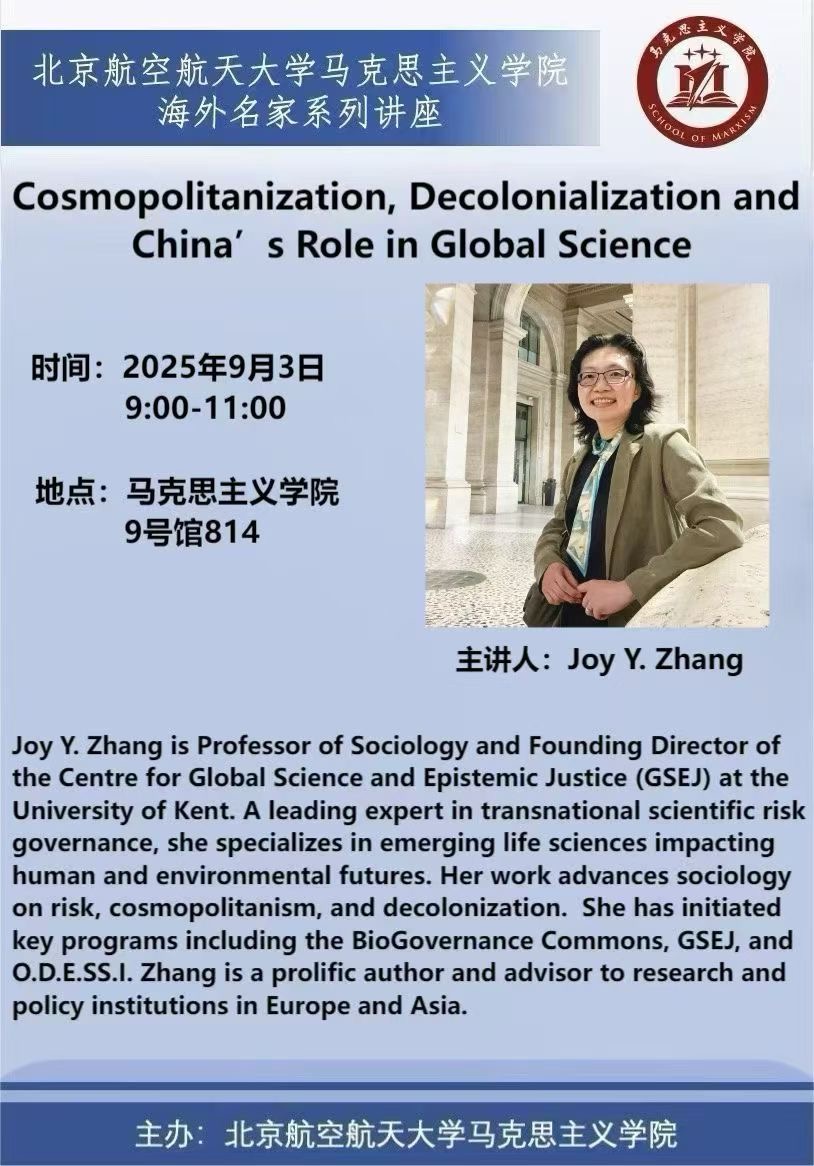
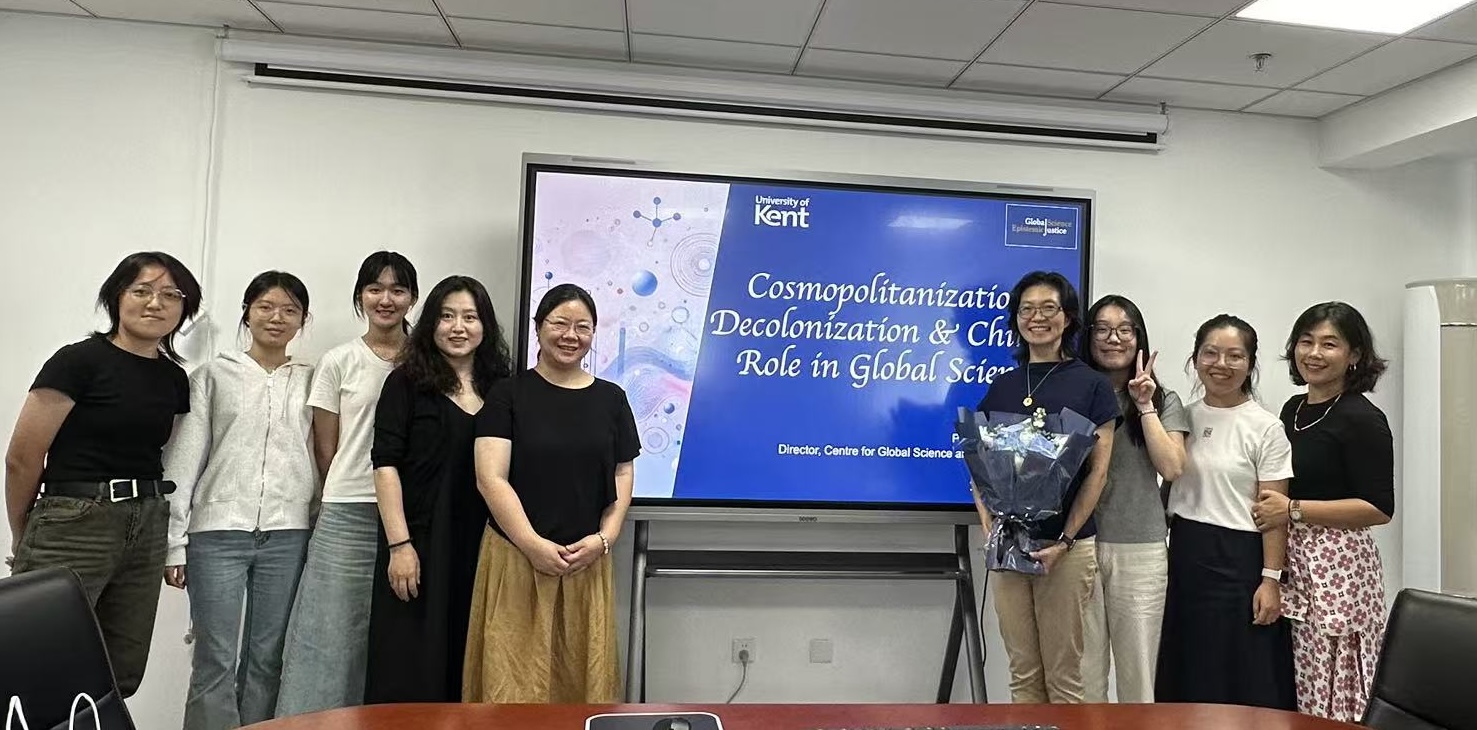
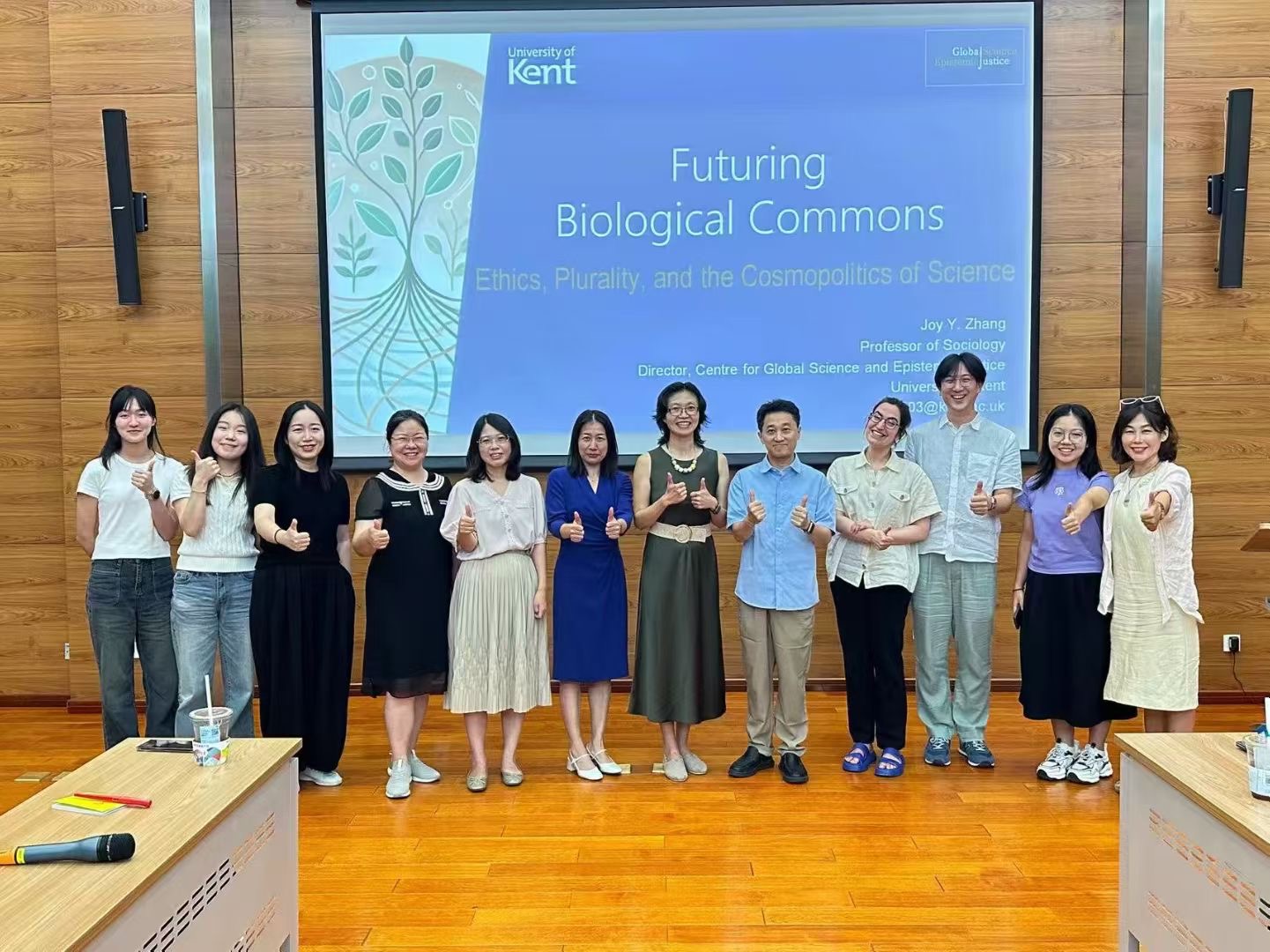
I was also delighted to deliver two further public lectures in Beijing: one at the Chinese Academy of Sciences’ Institute of the History of Natural Sciences, where I spoke on Futuring Biological Commons, and another at Beihang University, where the theme was Cosmopolitanization, Decolonisation and China’s Role in Global Science.
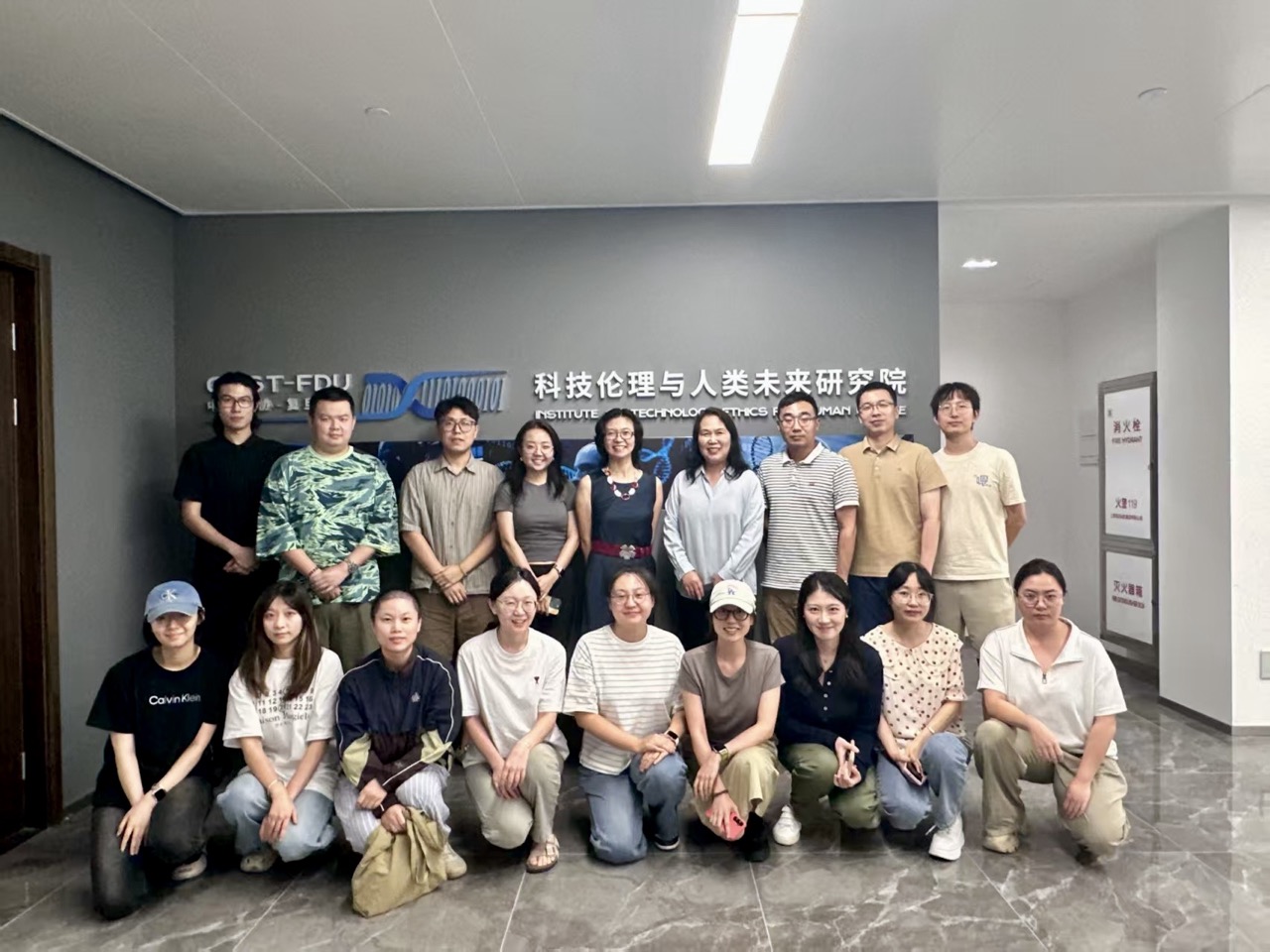
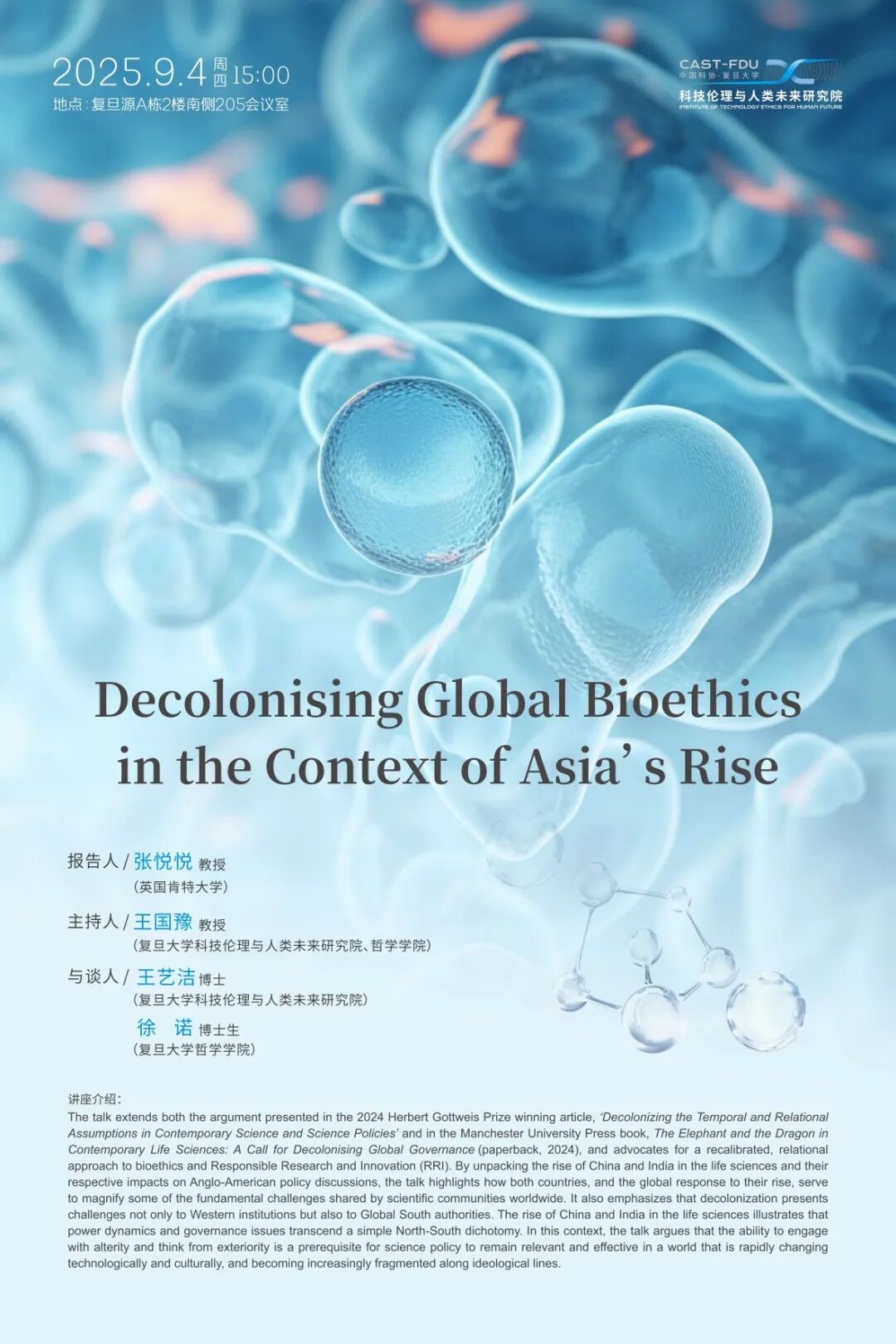
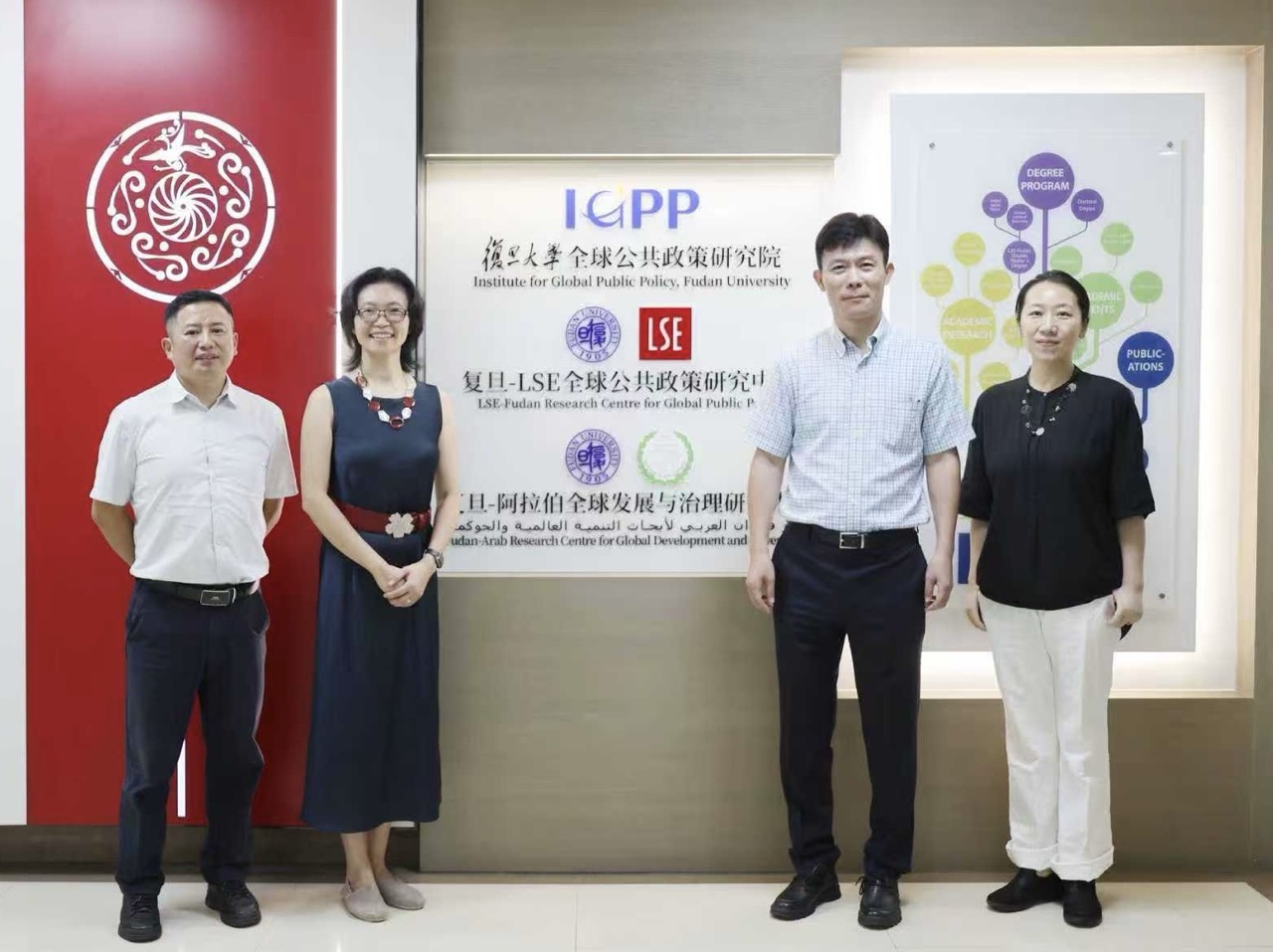
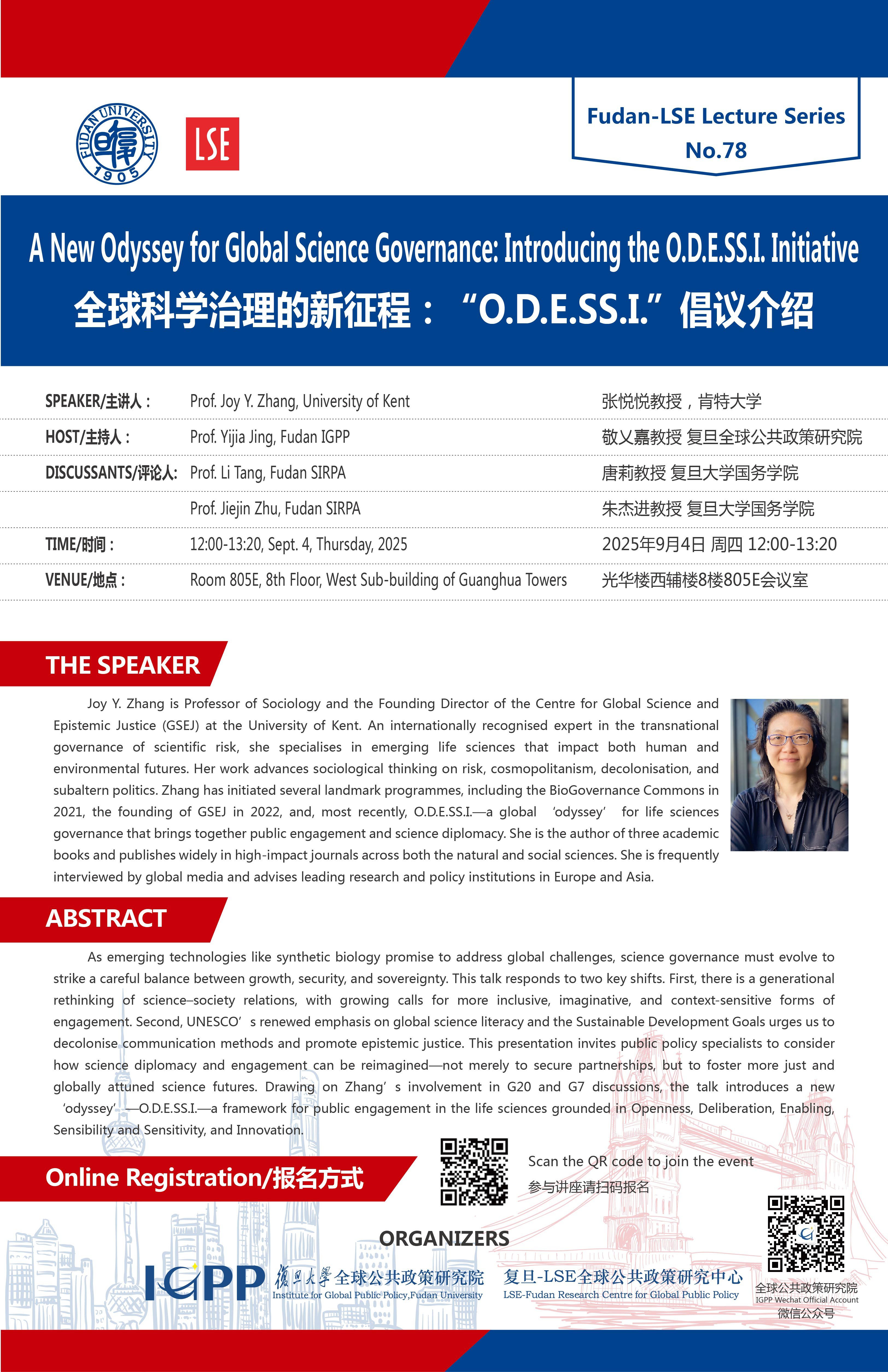
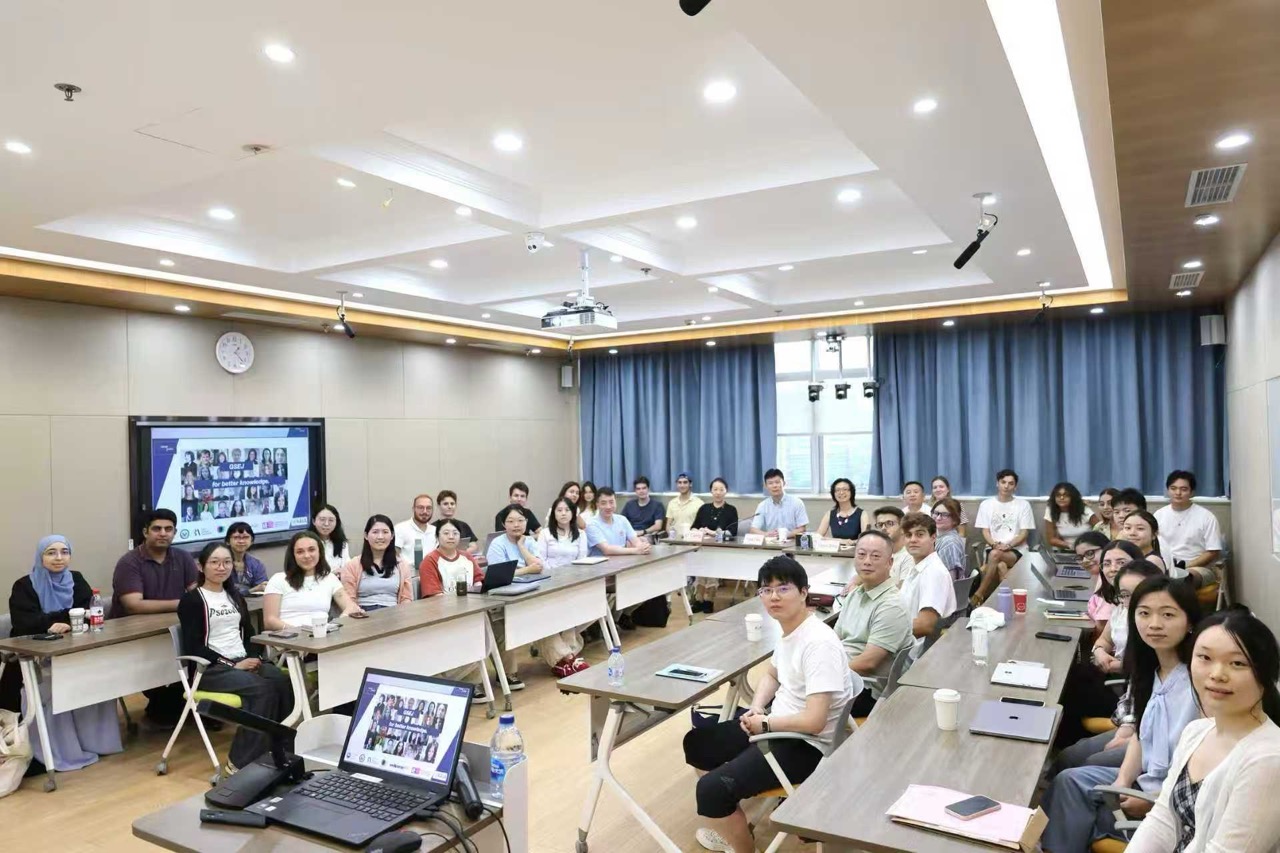
My third stop was in Shanghai, where I was honoured to deliver the first LSE–Fudan lecture of the new academic year and to introduce the O.D.E.SS.I. initiative to colleagues in global public policy. As an LSE alumna, this moment felt especially meaningful. A final highlight was visiting the newly founded Institute of Technology Ethics for Human Future. I was greatly impressed by the group of internationally trained young scholars there, whose thought-provoking questions led to such lively exchanges that the chair decided to postpone dinner by forty minutes!
Looking back, what incredible twelve days in Dalian, Beijing, and Shanghai! I’m so grateful to the colleagues and friends who made each stop not only intellectually rewarding but also personally joyful. I already look forward to the next time — more good conversations, delicious meals, and new ideas.

 Joy Zhang