
ISA Forum in Rabat
Like many others, I had a wonderful week in Rabat attending the International Sociological Association (ISA) Forum. This time, I was there in my capacity as a member of the ISA’s Publications Committee, and as editor of both the Current Sociology Monographs and the SAGE Studies in International Sociology (SSIS) book series.
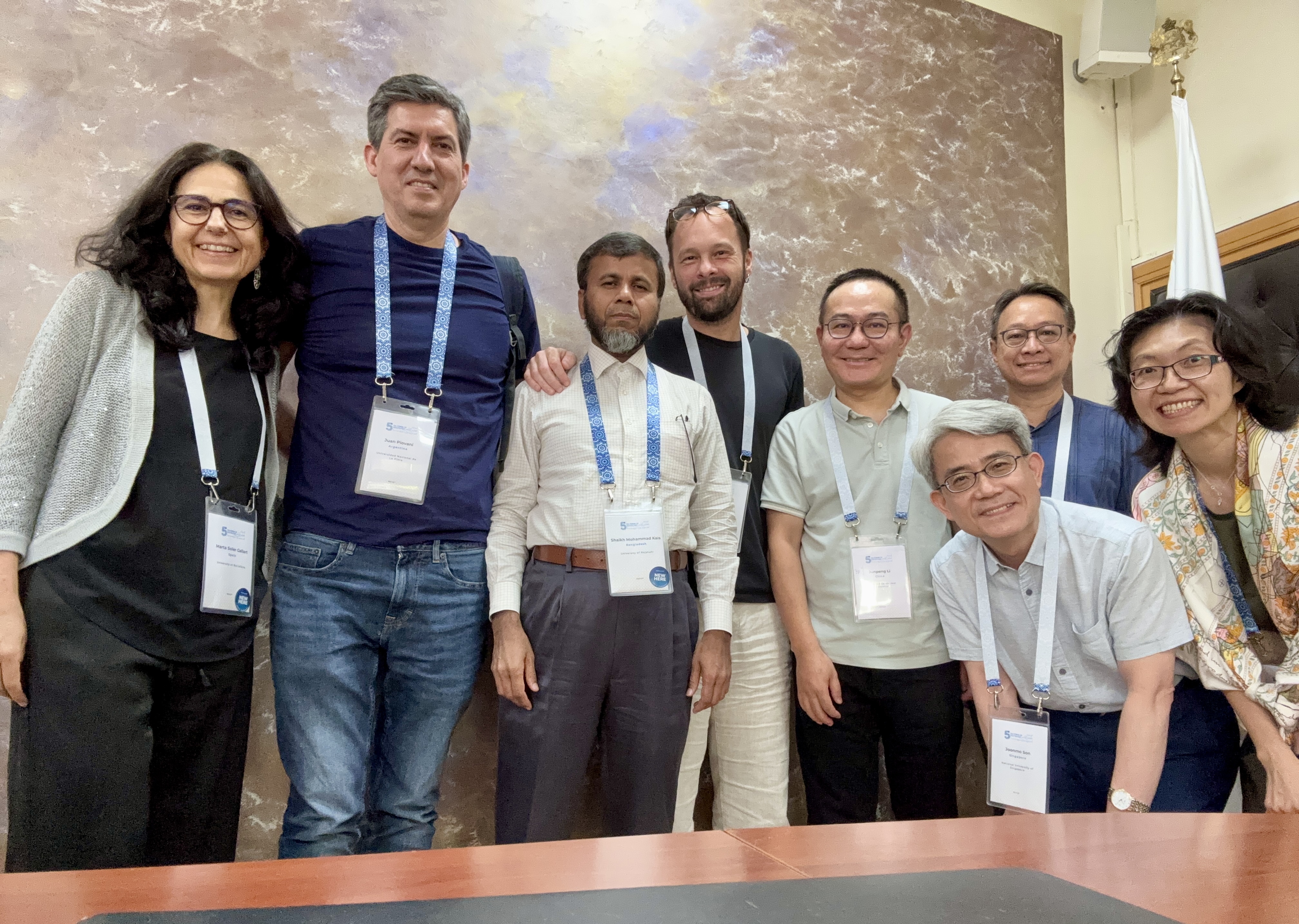
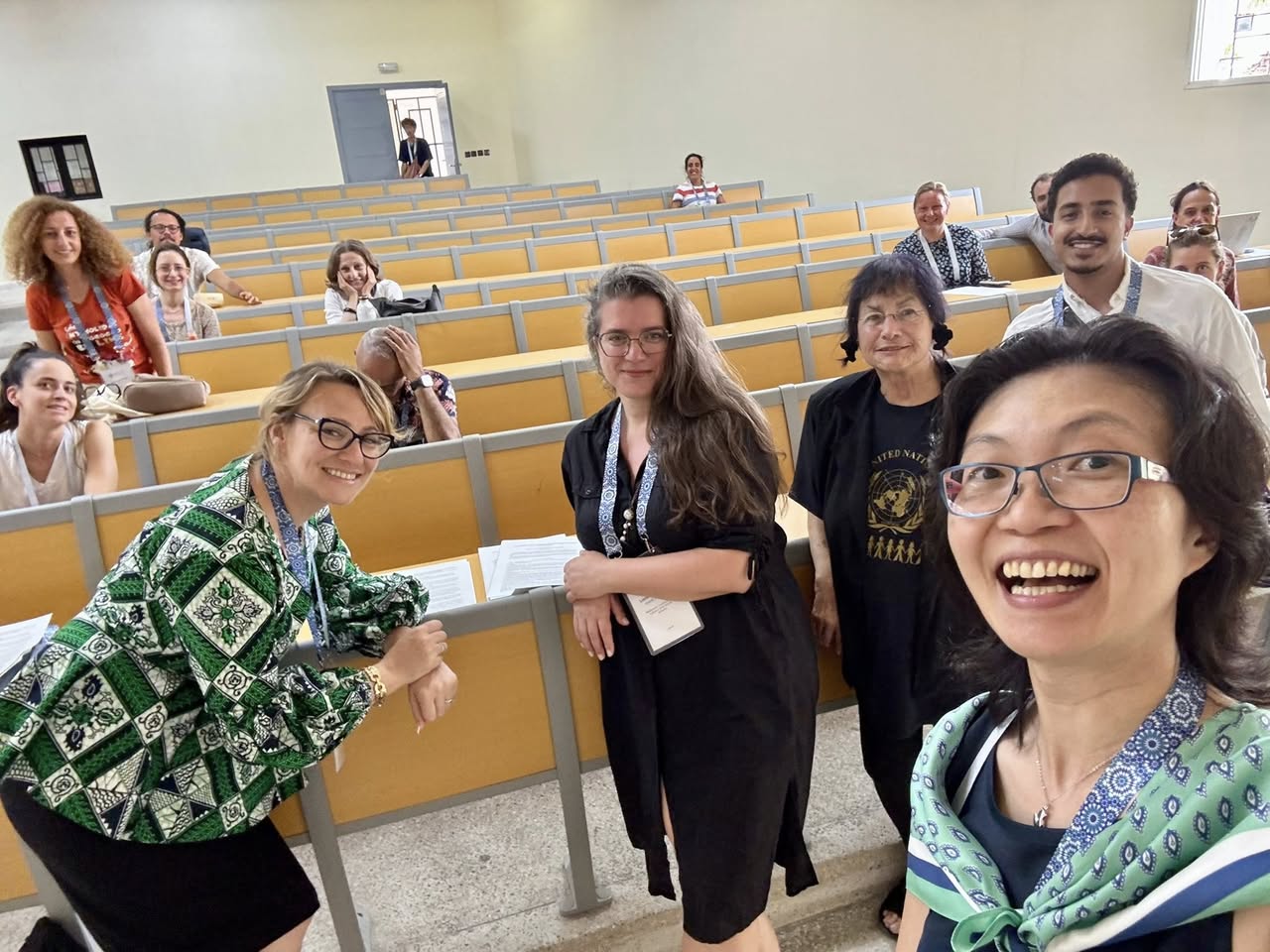
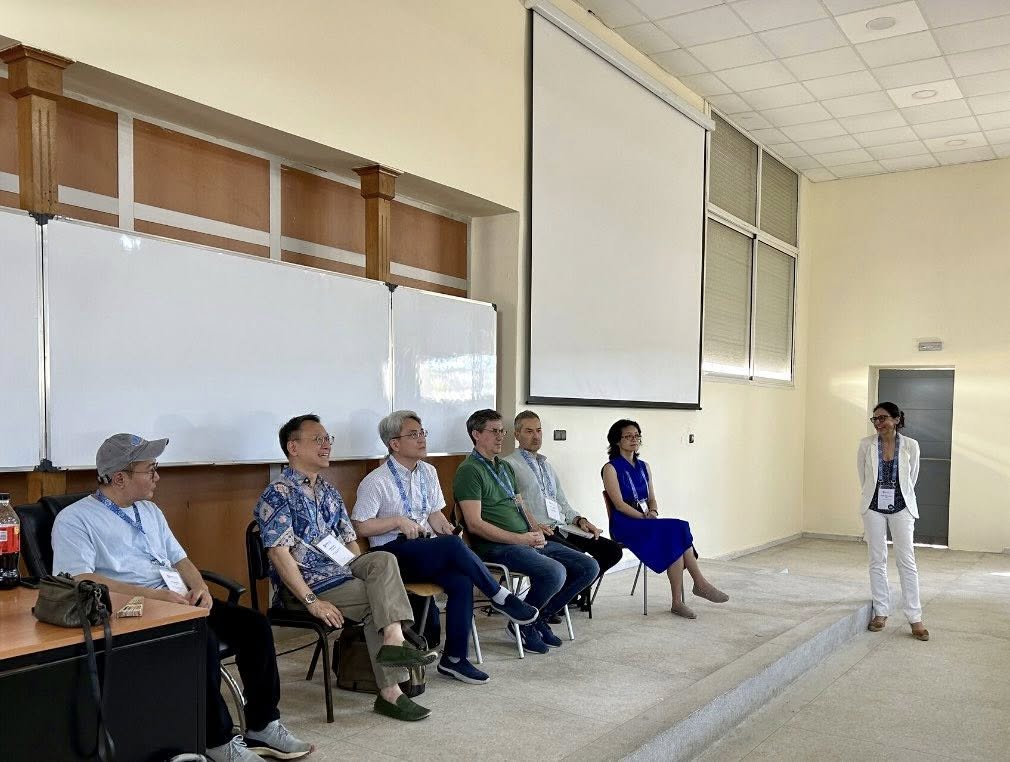
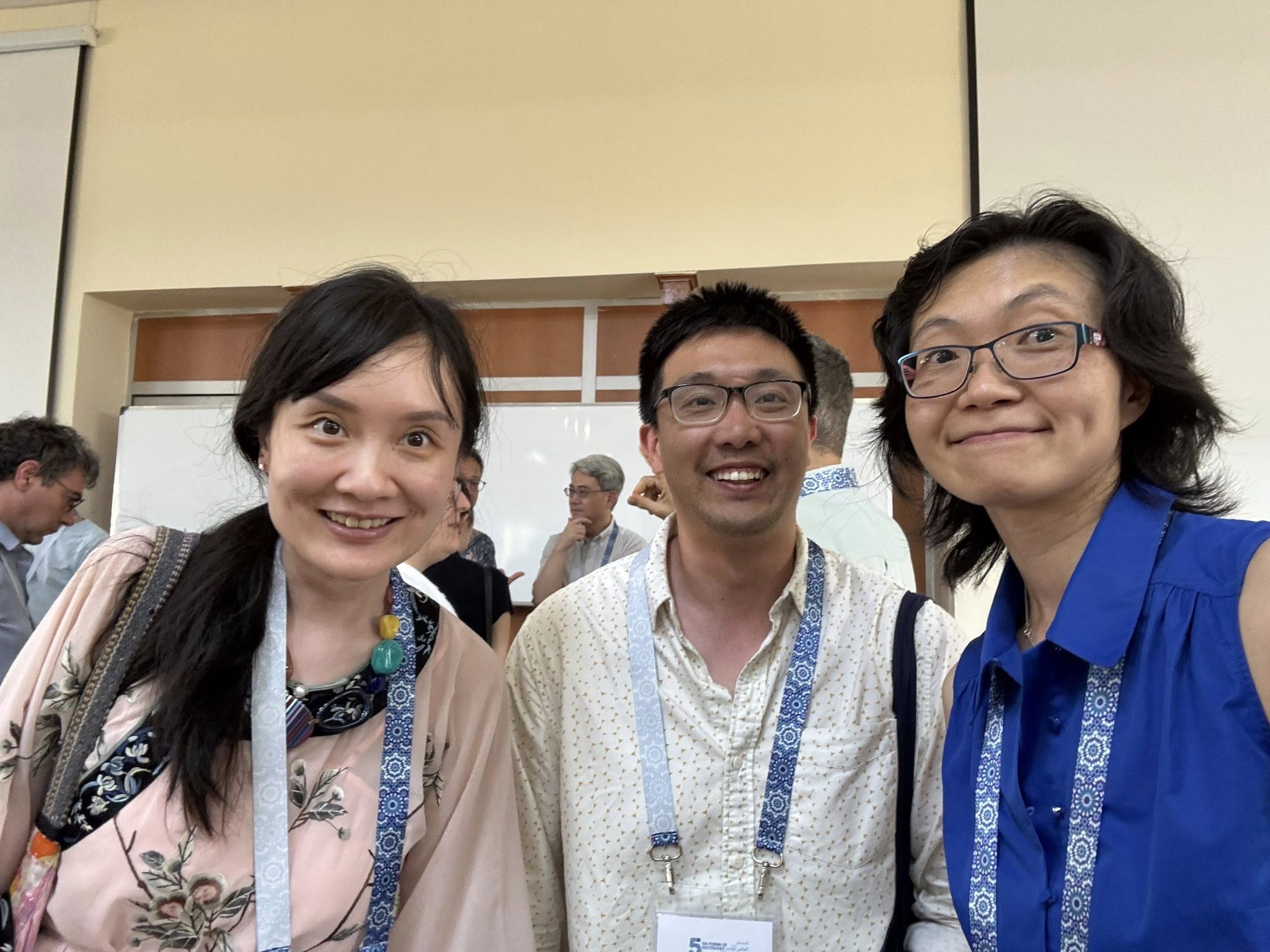
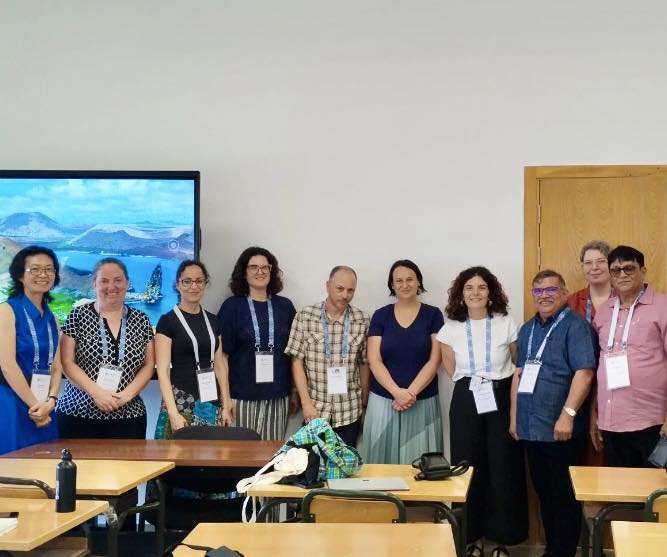
I always enjoy conversations with fellow members of the Publications Committee – . These moments are invaluable for exchanging reflections on the shared challenges—and creative responses—we encounter in our efforts to showcase diverse sociological perspectives and practices from across the globe.
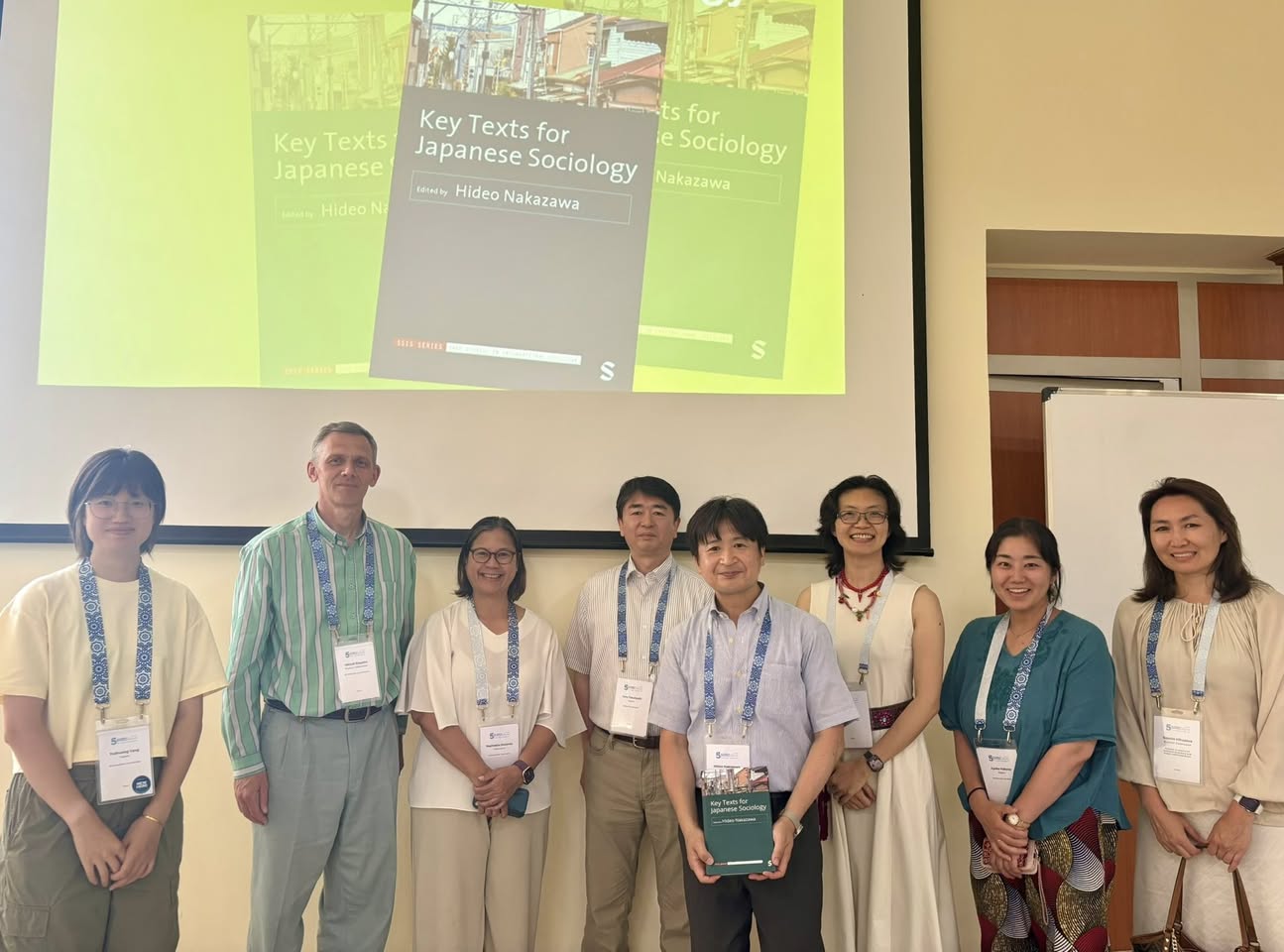
I was also very pleased to have initiated the idea of dedicated ISA sessions to celebrate SSIS books—and to see it come to life. This time, we focused on Key Texts of Japanese Sociology, using it as a springboard to reflect on how locally rooted knowledge can shape global conversations. We had a rich discussion with participants from South Asia, Russia, and Africa, who shared their own perspectives on what it means—and what it takes—to make sociology truly global. I mentioned the problematic Paul Bowles translation of For Bread Alone as a cautionary example, emphasising that global sociology is not just about textual translation, but about epistemic sensitivity, accuracy, and recognition.
It was also a real pleasure to take part in broader conversations on the role of sociologists both inside and beyond academia. I was especially delighted to join the panel on the ISA’s current involvement with the United Nations.
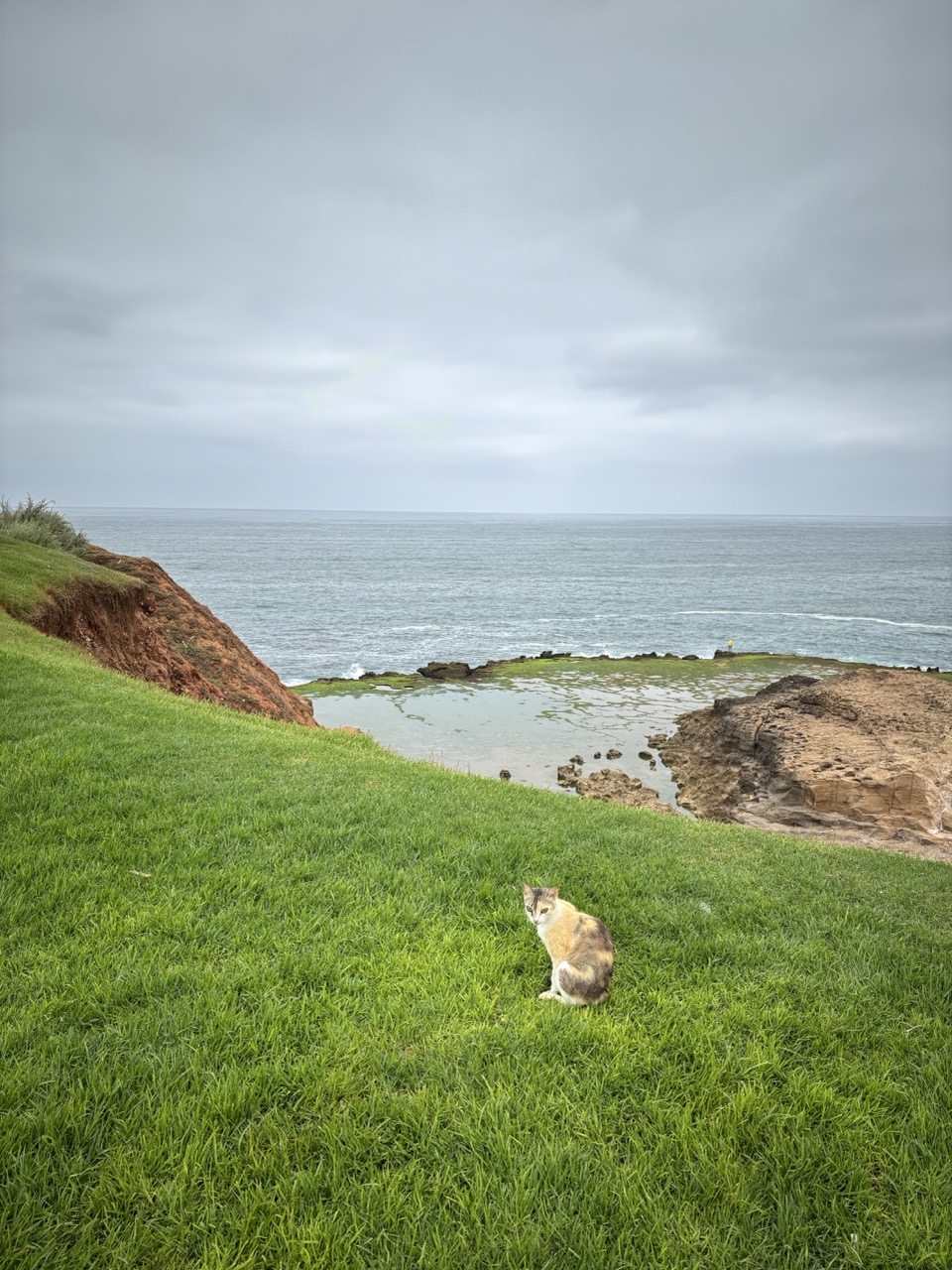
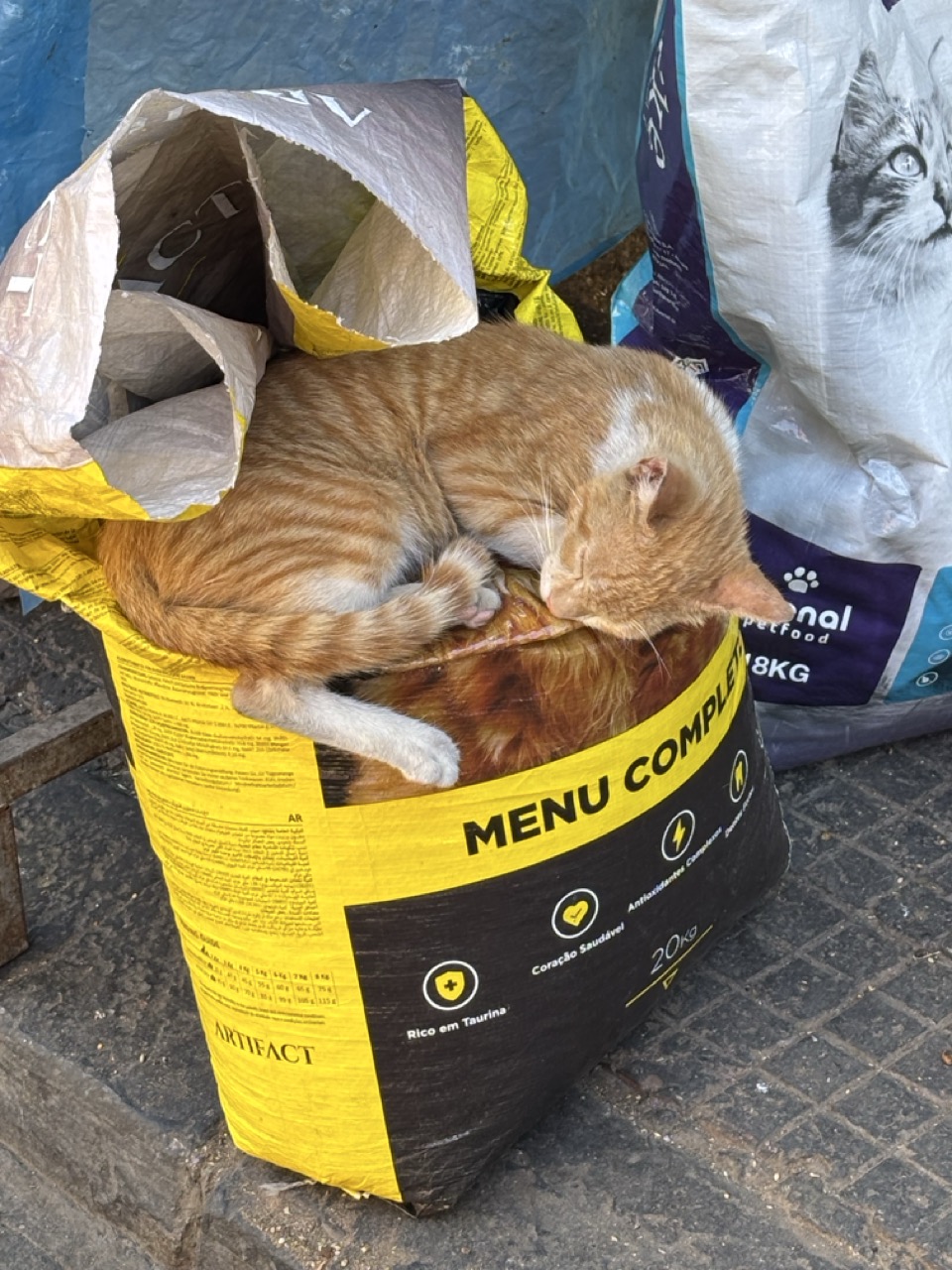
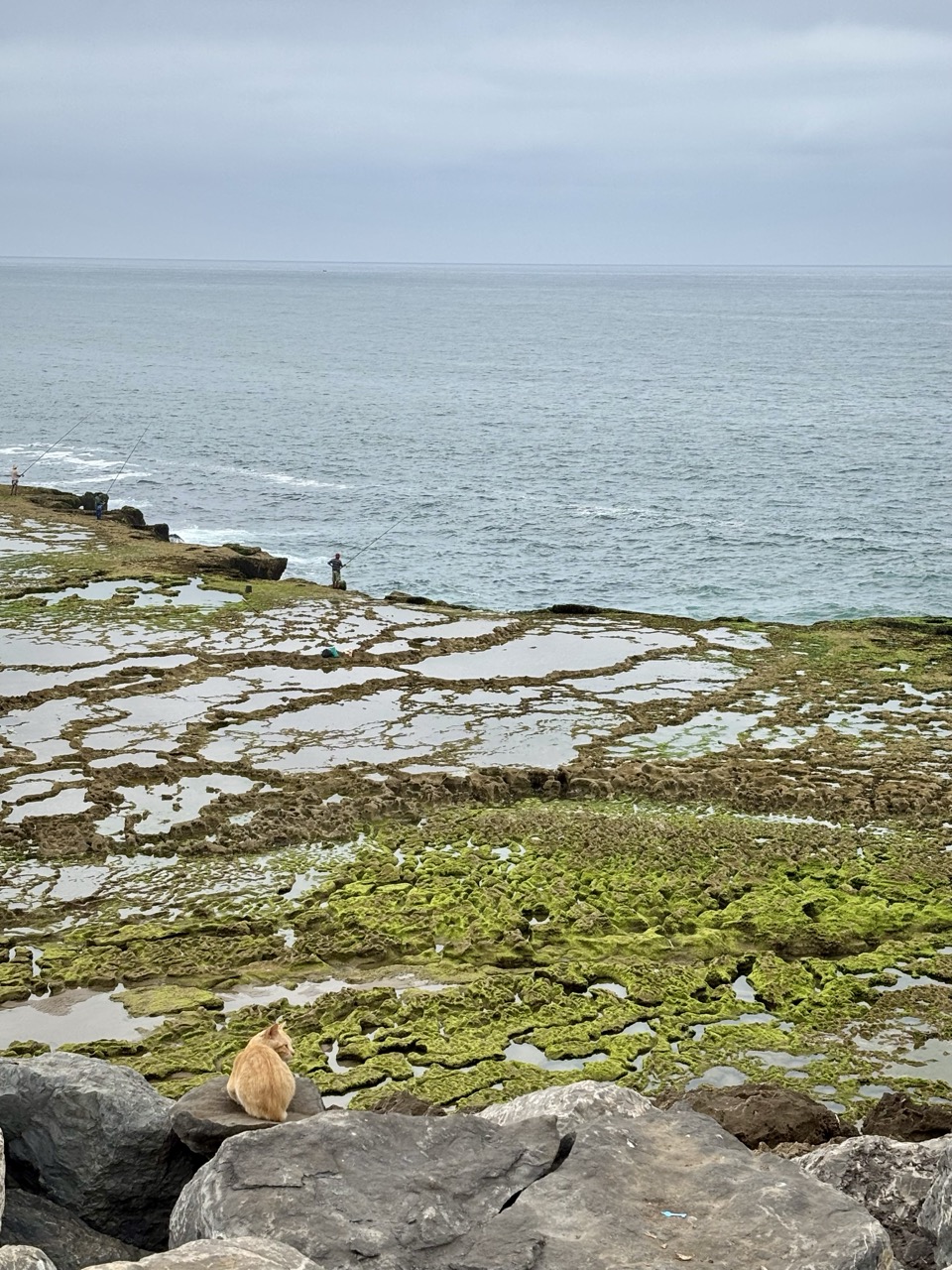
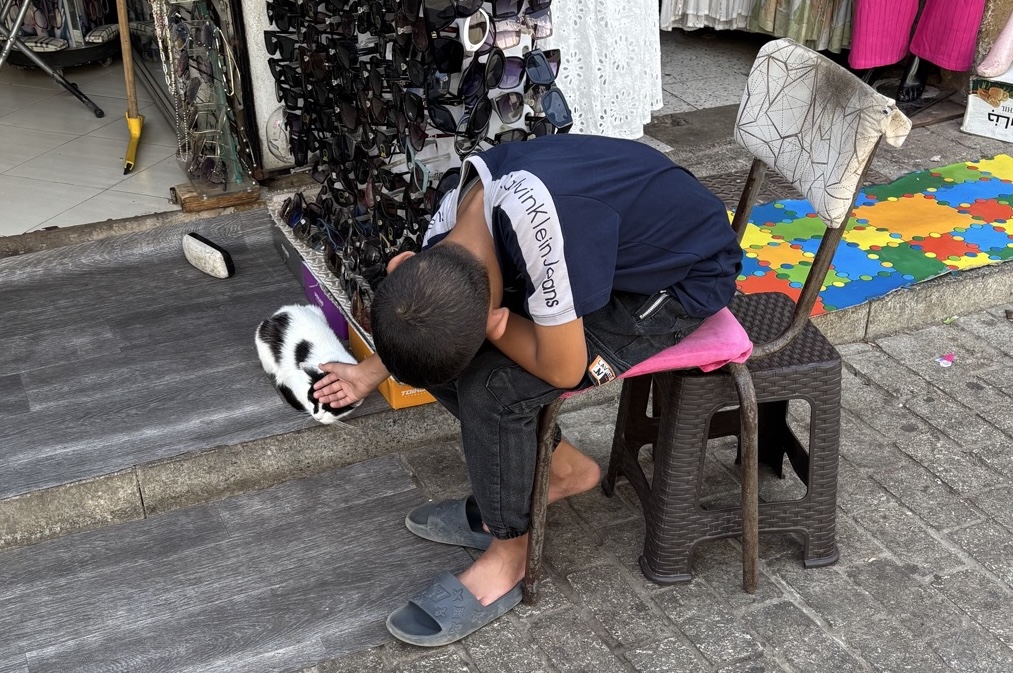
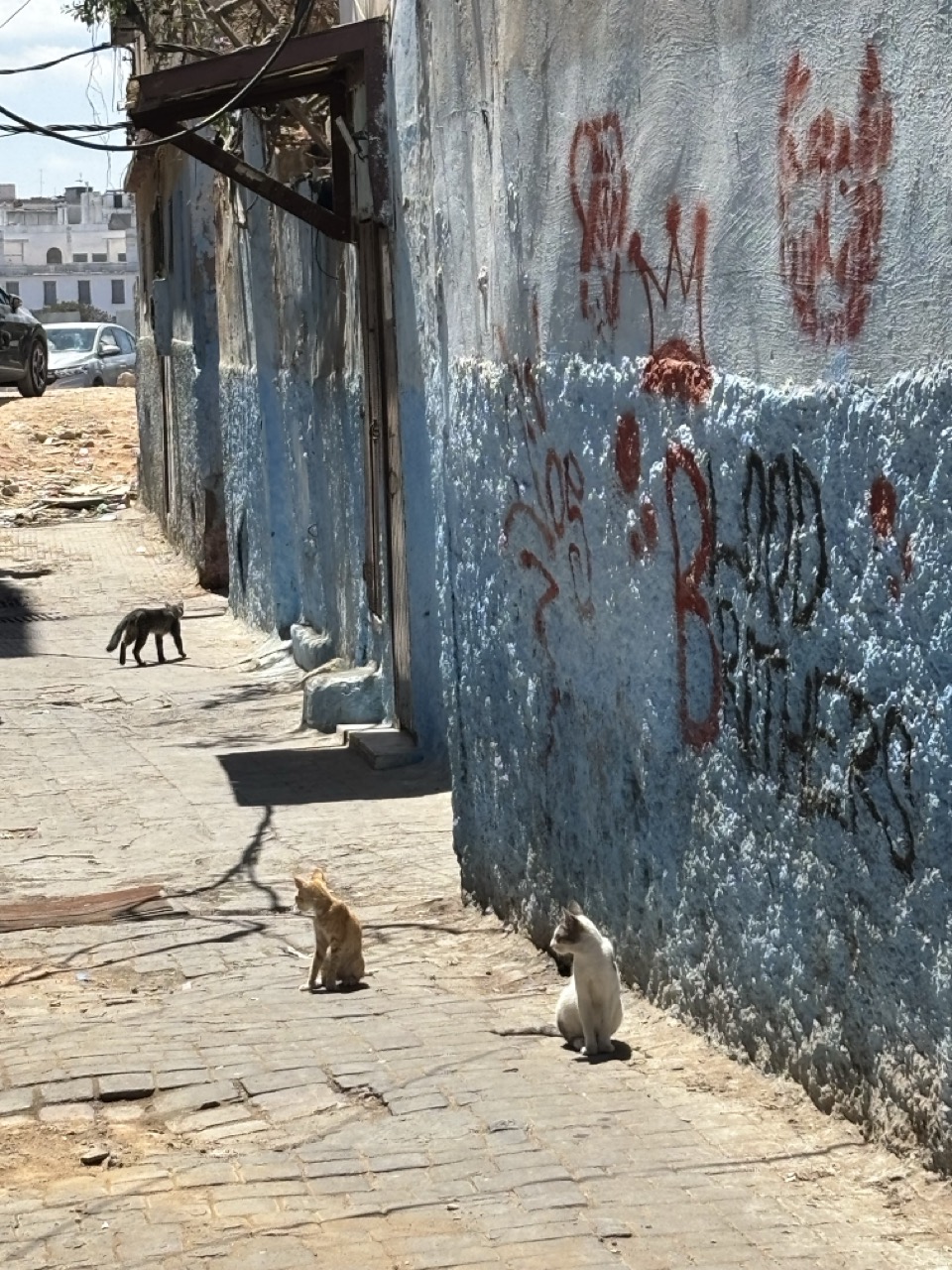
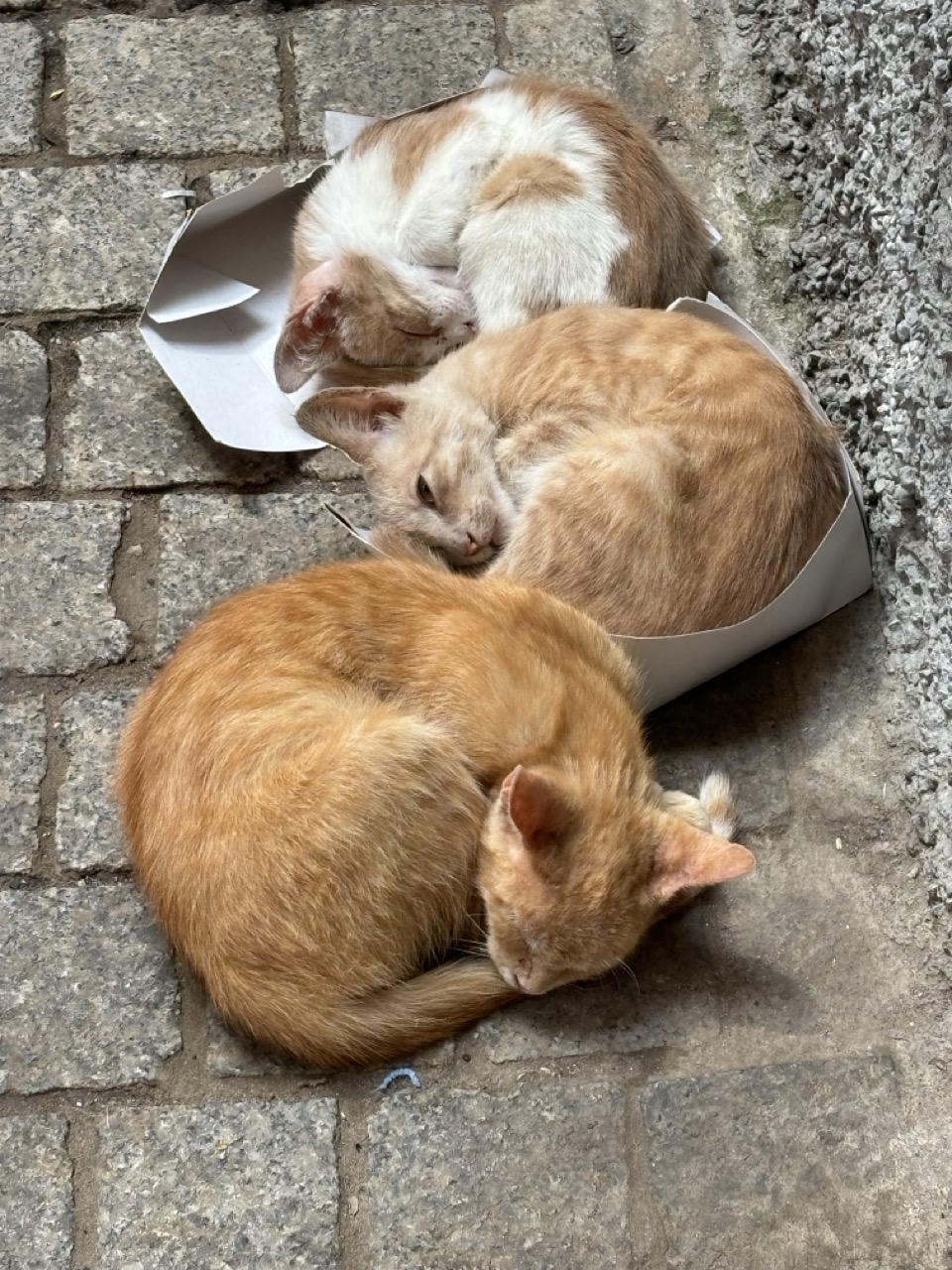
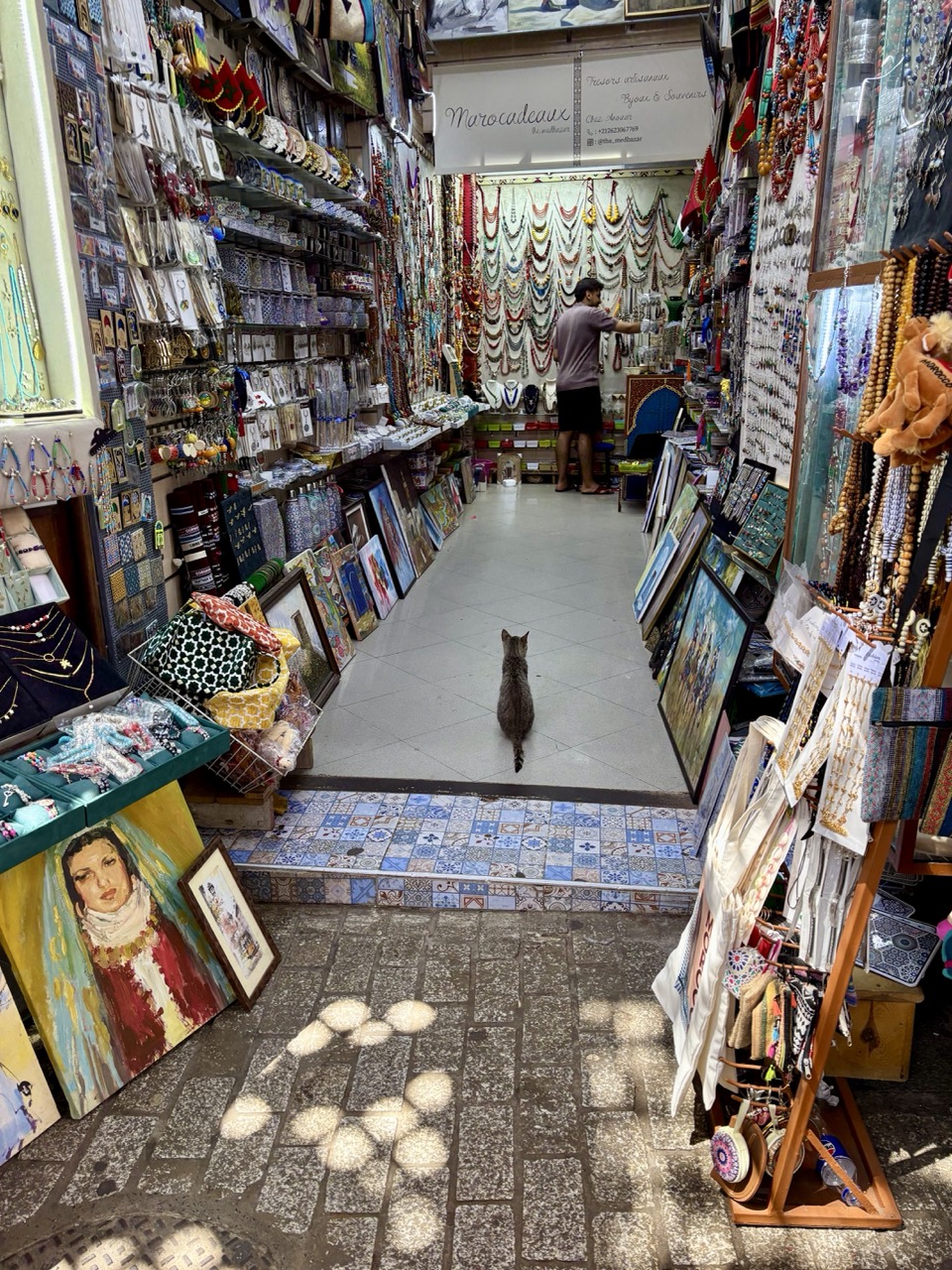
And of course, Rabat itself was unforgettable—a city of cultural diversity, vibrant neighbourhoods, and intellectual warmth. But what made it especially memorable for me? The cats! Stray but cared-for, playful yet dignified, they seemed to rule the medina. In their quiet observation, independence, and adaptability, I couldn’t help but think: cats would make excellent sociologists.
 Joy Zhang