
Asilomar at 50


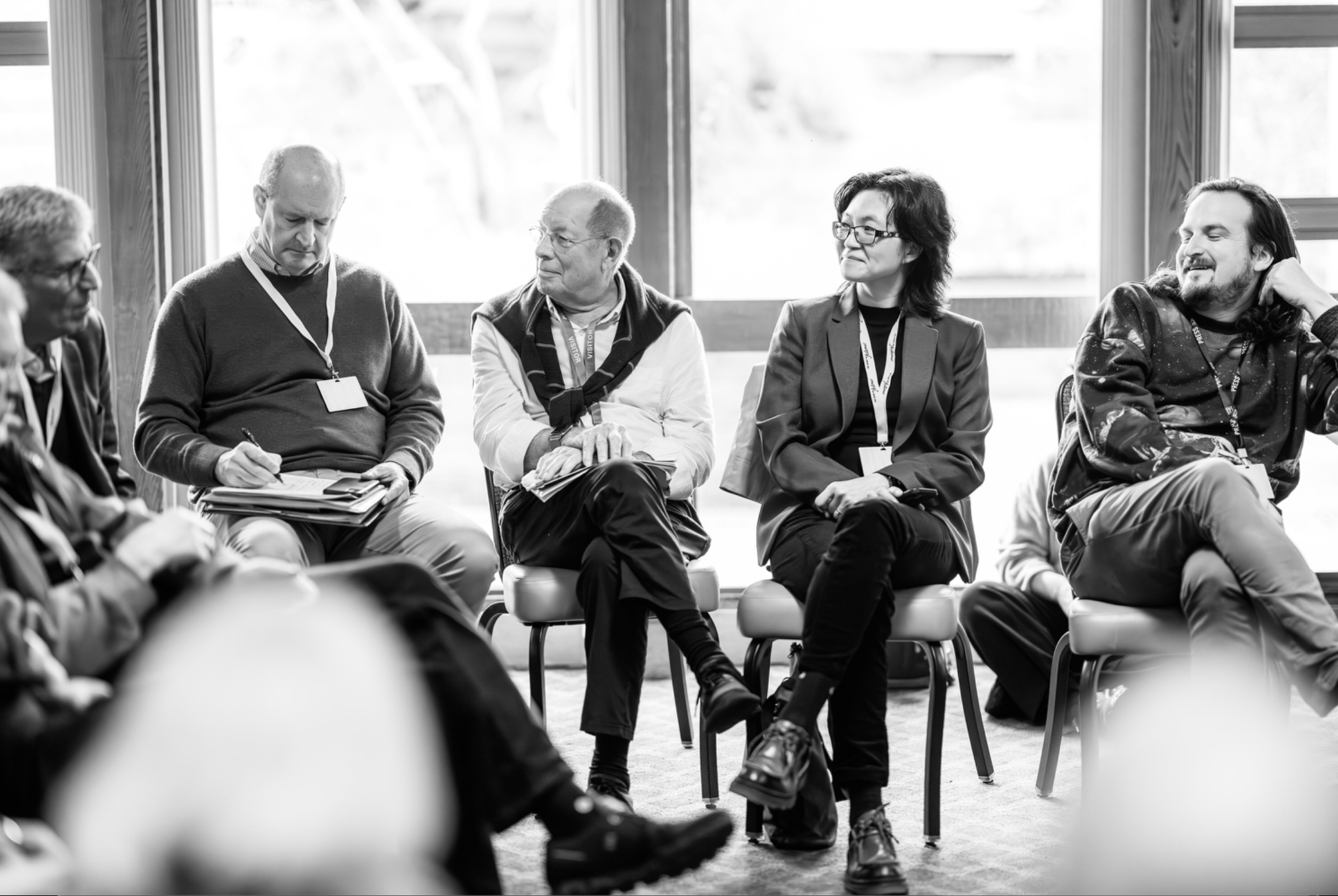

In 1975, a group of leading scientists gathered at the Asilomar Conference Grounds in California to discuss the potential risks of recombinant DNA technology. The result was a landmark moment in the self-governance of the life sciences—a model of proactive ethical reflection that has since shaped decades of science policy and public engagement. This year marked the 50th anniversary of that historic meeting.
I felt incredibly privileged not only to be included in the Spirit of Asilomar commemorative conference this February, but also to have taken part in the broader academic conversations that Professor Luis Campos has been curating over the past couple of years. These discussions offered an invaluable foundation for what turned out to be a deeply thought-provoking experience.
That said, the event took some time to digest—and I suspect I wasn’t alone in feeling that way.
To be completely honest, my impression of the event shifted quite dramatically as it unfolded. During the first two days, I found myself confused and, at times, frustrated. What exactly was the meeting aiming to achieve? What was expected of me, and what was I contributing? The usual markers of academic participation—clear agenda, structured outputs, concrete impact—seemed elusive.
By the end of the second day, still struggling to grasp any definitive notion of ‘impact,’ I decided to let go of that framework altogether. I gave myself permission to treat the gathering just as ‘an intellectual vacation’—a space for curiosity, free exploration and, above all, good conversation!
It was only on the flight back to the UK, flipping through my notes and reflecting on the sheer number of questions buzzing in my head, that I realised what had actually happened. I had just spent three days in intense, unstructured, multidisciplinary dialogue—so rich with perspectives and historical depth that it left my mind near bursting. And I thought: surely this is the point.
I recalled a moment from the first day. As people were still lining up to check in, one of my scientist friends whispered, ‘There are so many social scientists here!’ Meanwhile, a social science colleague remarked, ‘It’s mostly natural scientists!’ That, to me, perfectly captured the spirit of the event—it had successfully nudged everyone out of their disciplinary comfort zones.
Perhaps statements and measurable impacts were never the right goals. After all, the conference was convened primarily by science historians—people who understand that the legacy of Asilomar lies not in neat conclusions, but in the ongoing process of critical reflection.
The irony, of course, is that while most of us knew we weren’t there to celebrate Asilomar as a tidy success story or a model to be replicated uncritically, many still found ourselves longing for a clear and definitive conclusion.
In retrospect I think it was a beautiful event—perhaps precisely because it exposed some of my own limits. It challenged assumptions I hadn’t realised I was carrying and compelled me to pause and reflect.
For that beautiful discomfort, I am deeply grateful.
(photo credit: Chris Schmauch)
 Joy Zhang